
No products
Categories
- Fashion Accessories
- Clothing
- Beauty & Lifestyle
-
Hi-Tech & Lifestyle
- Gaming
-
Case
- iPhone 11 Pro
- iPhone 11 Pro Max
- iPhone 11
- iPhone X / XS
- iPhone XS Max
- Samsung S10 / S10+ / S10e
- Huawei P30 / P30 Pro / P30 Lite
- Huawei P20 / P20 Pro / P20 Lite
- iPhone XR
- Samsung S9
- Samsung S9+
- iPhone 8 / 7
- iPhone 8 Plus / 7 Plus
- Samsung S8
- Samsung S8+
- Samsung S7
- Samsung S7 Edge
- iPhone 6 / 6 s
- iPhone 6 Plus / 6 s Plus
- iPhone 5 / SE
- Skin
- Audio
- Smart Home
- Drones & Hoverboard
- Photo & Video
- Desk Supplies
- Accessories
- Games
- Beverages
- Food
- Home
- Jewelry
- Luxury
- Travel
- Art
- Footwear
- Vintage Fashion
- Restaurants
- Sport
- Animals
- Gift Ideas
- Kidswear
Extra


Viewed Products
-

Linda Farrow - Kings Oversized Optical Glasses in Truffle - LFL747C25OPT -...
A new, oversized take on our...
-

Park Hotel Villa Pacchiosi - Discovering Parma - 4 Days 3 Nights - Junior Suite
Located in the historic centre of...
-

Jimmy Choo - Clive - Rose Gold Metal Oval-Frame Sunglasses - Jimmy Choo Eyewear
This oval-eye pair features grey...
-

Champagne Paul Clouet - Selection Grande Réserve - Pinot Noir - Red Wine -...
It goes well with both filled pasta...
-

Alexander McQueen - Butterfly Jewelled Sunglasses - Gold Brown - Alexander...
Shiny light gold metal sunglasses...
-

Persol - PO3295V - Transparent Azure - Optical Glasses - Persol Eyewear
The Dolce&Gabbana x Persol...
Balenciaga
The Couturier of Couturiers, The Master of Us All
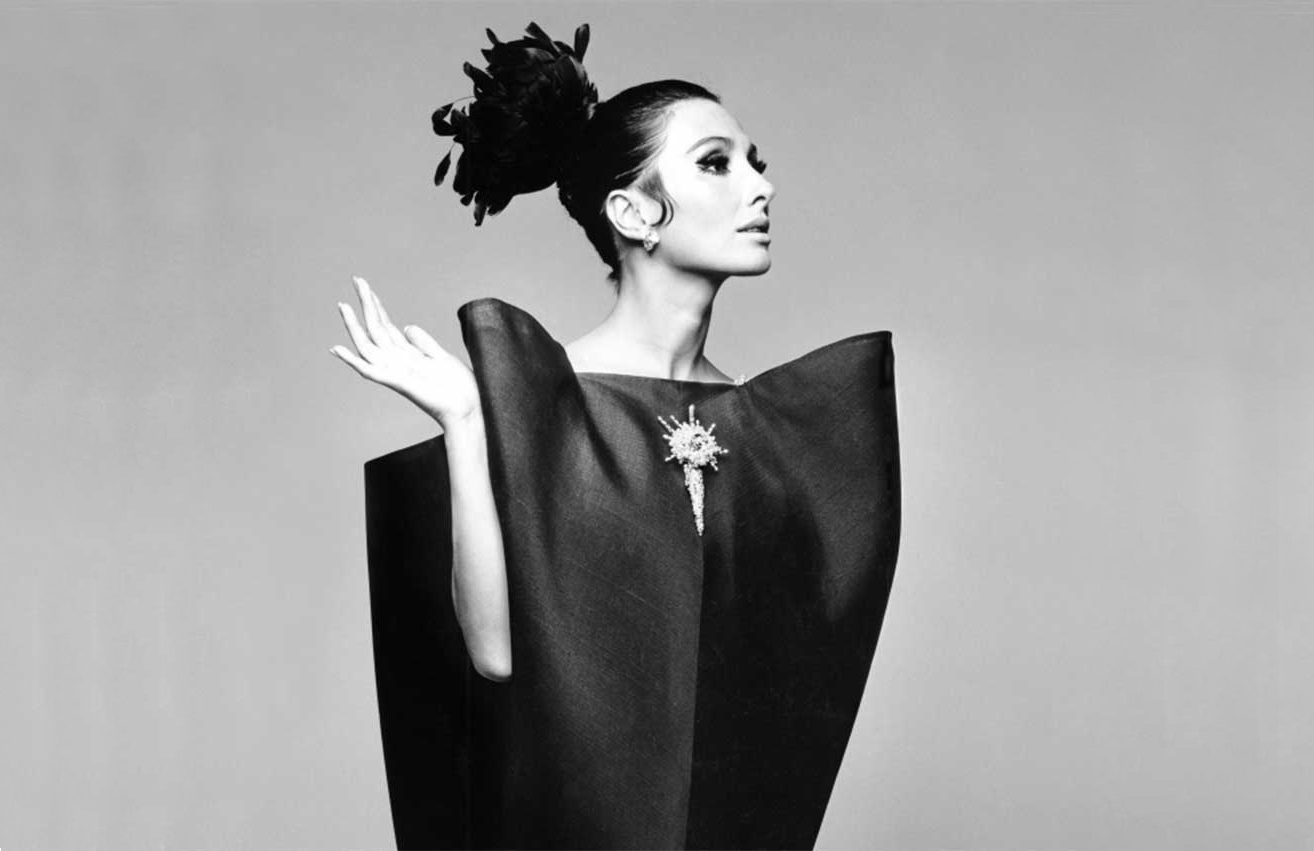
History
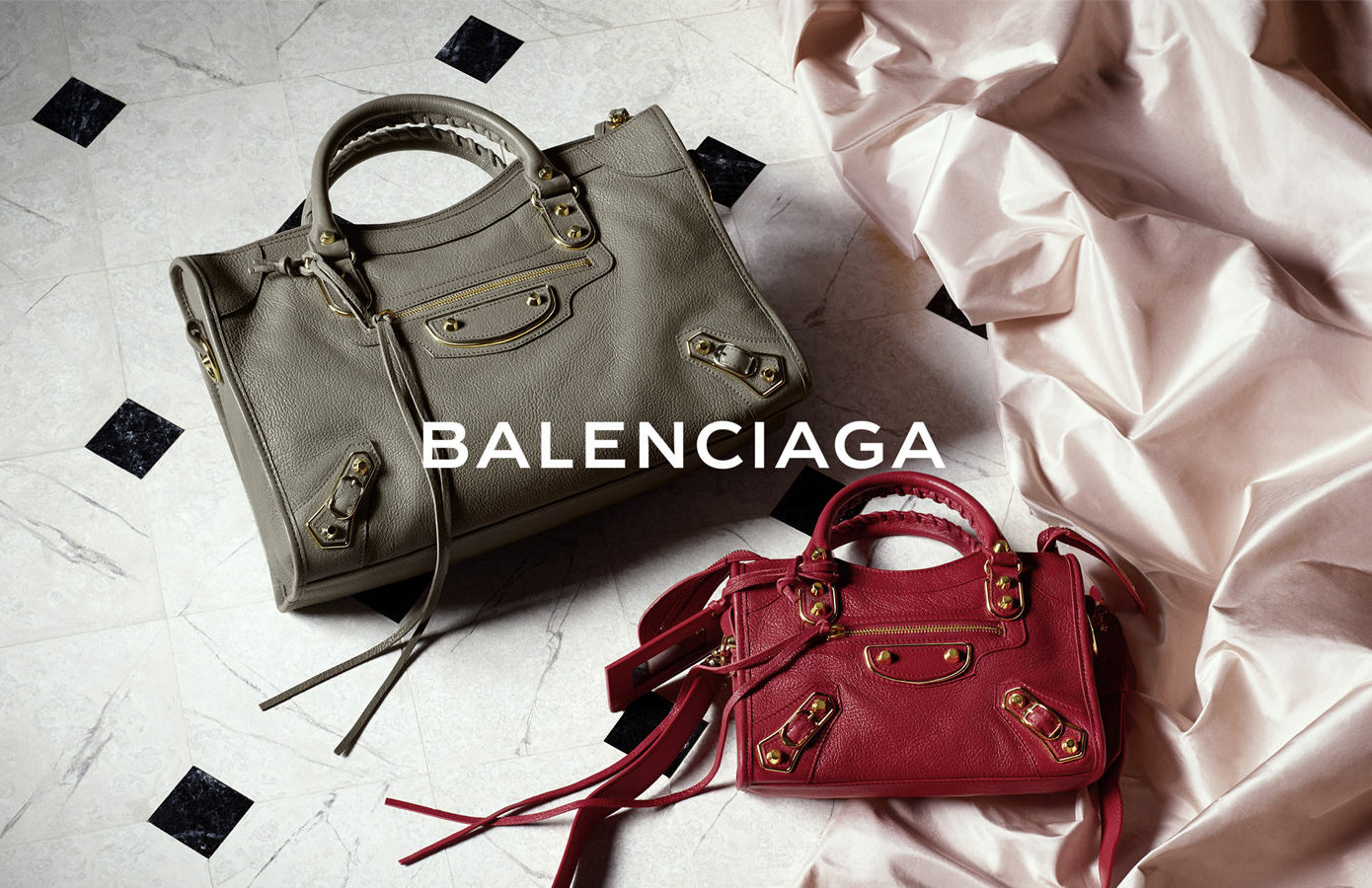
Master of tailoring and precision, Cristobal Balenciaga was able to create soft and elegant lines on the human body.
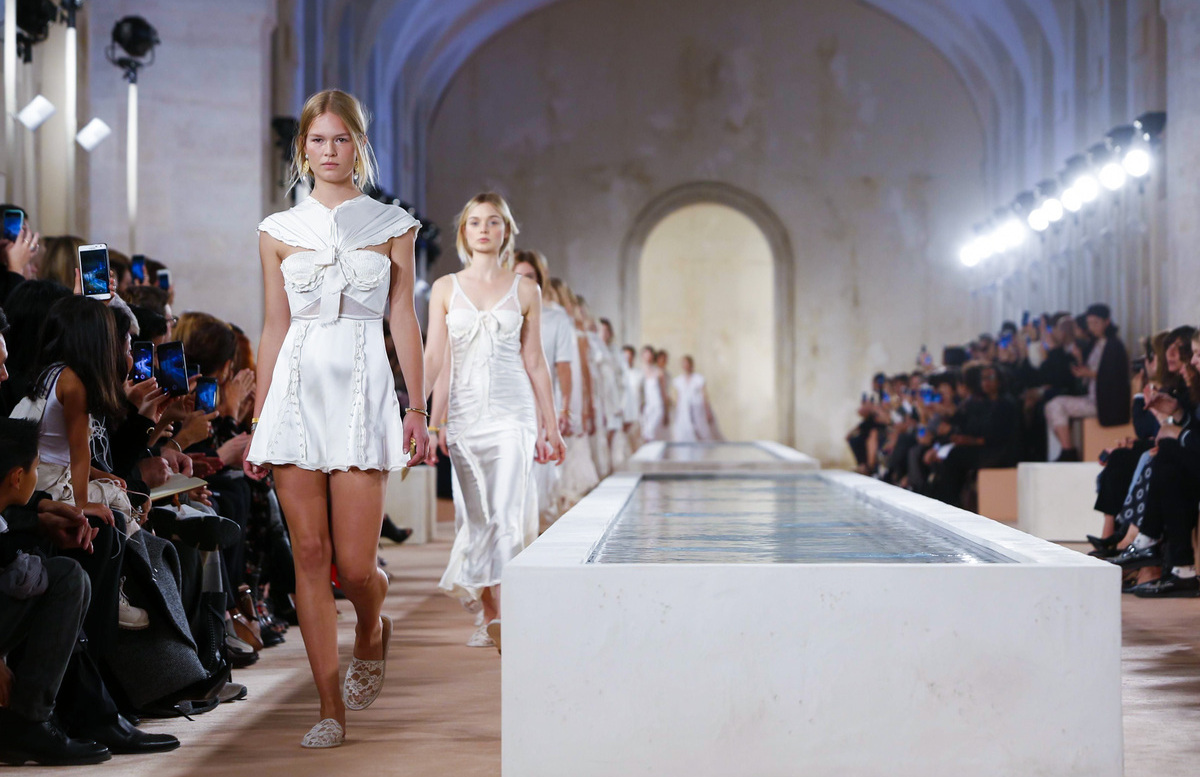
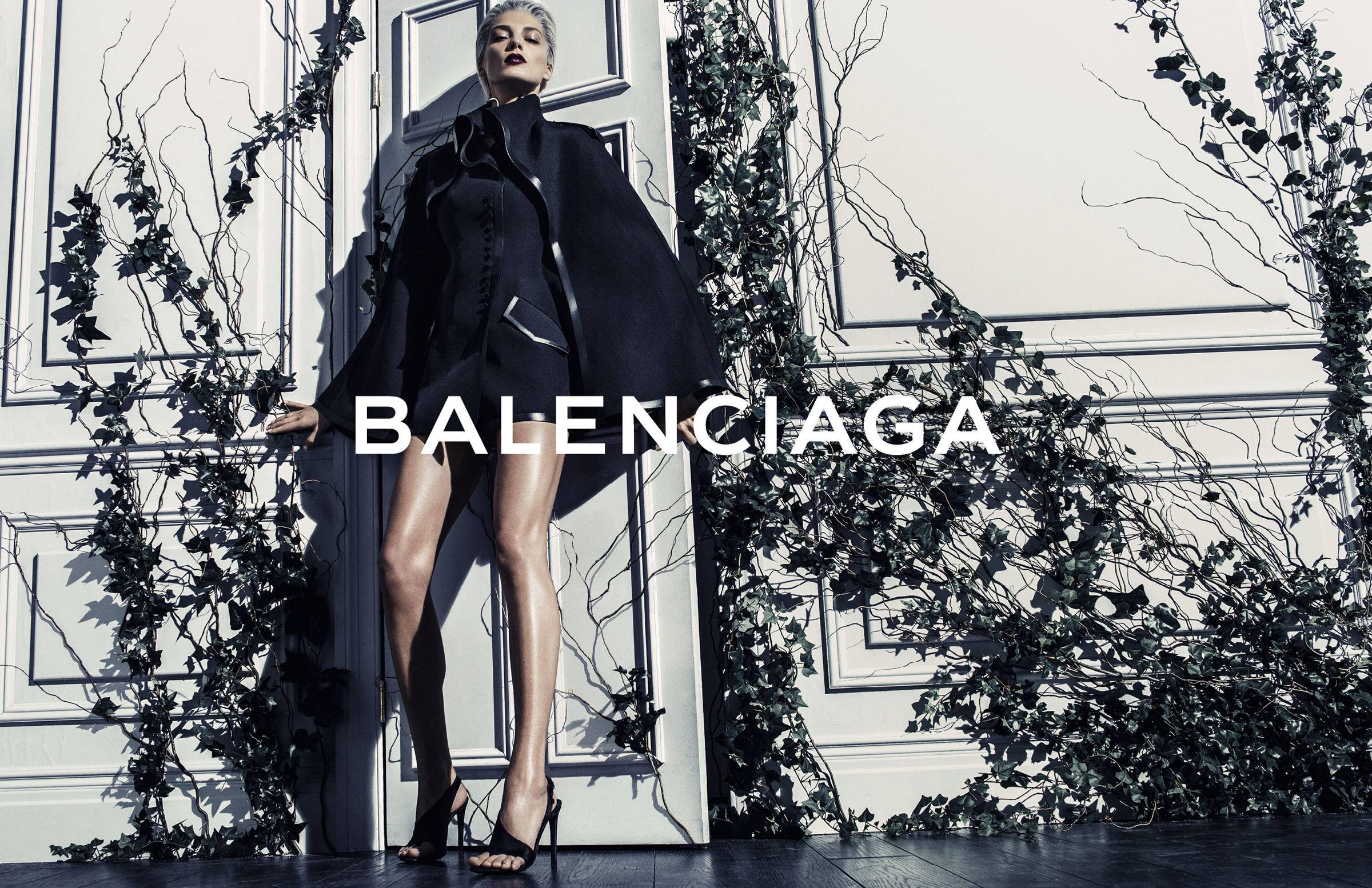
Spanish by birth, he managed to bring elements from his country like lace, the bolero and the contrasting colors, red and black, to Paris in the 1950s. Balenciaga dedicated his life to designing dresses and managed to go beyond the boundaries of fashion. For this reason, he is considered a true artist.
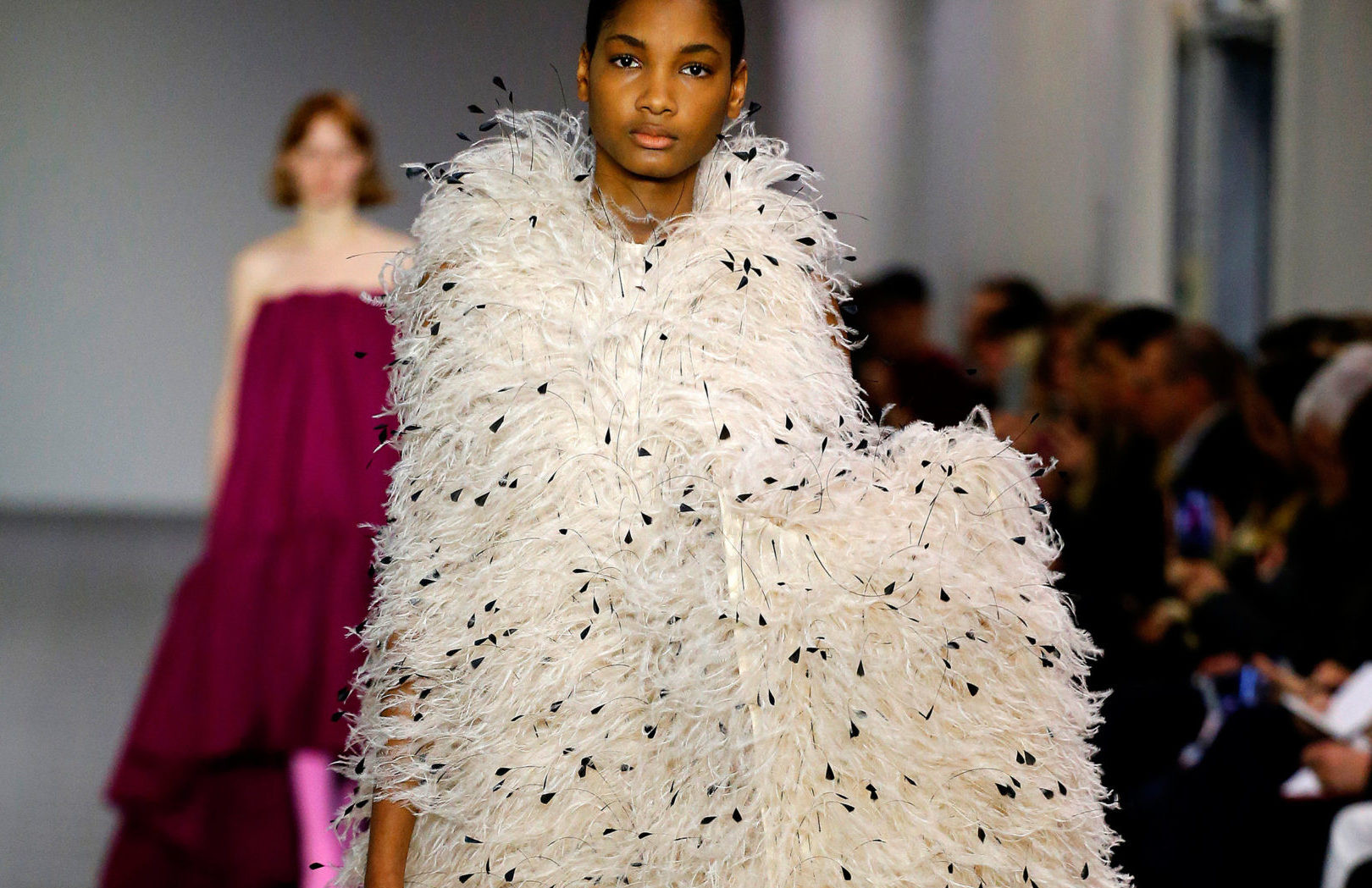
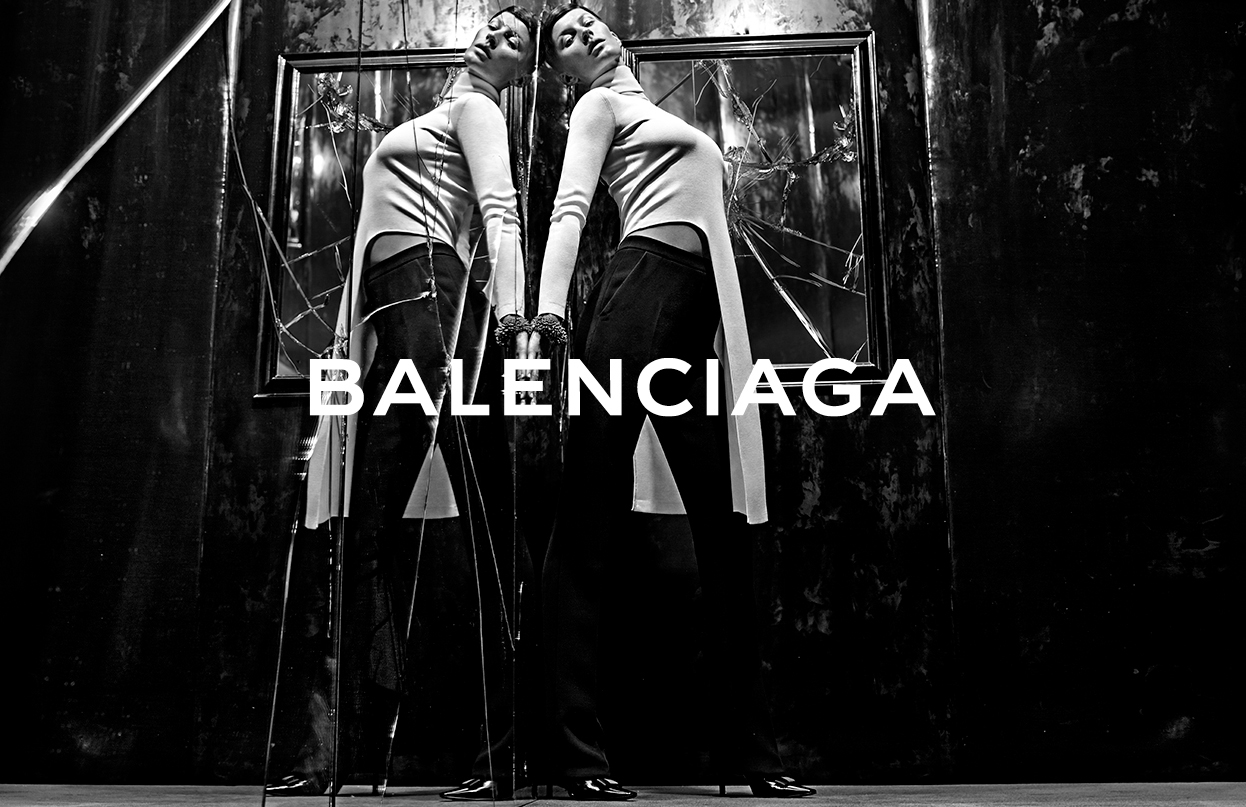
Intuition and innovation, combined with a maniacal precision, are the basis for all of his creationslike collarless shirts, flat necklines, and balloon, tunic, sack and sleeveless dresses.
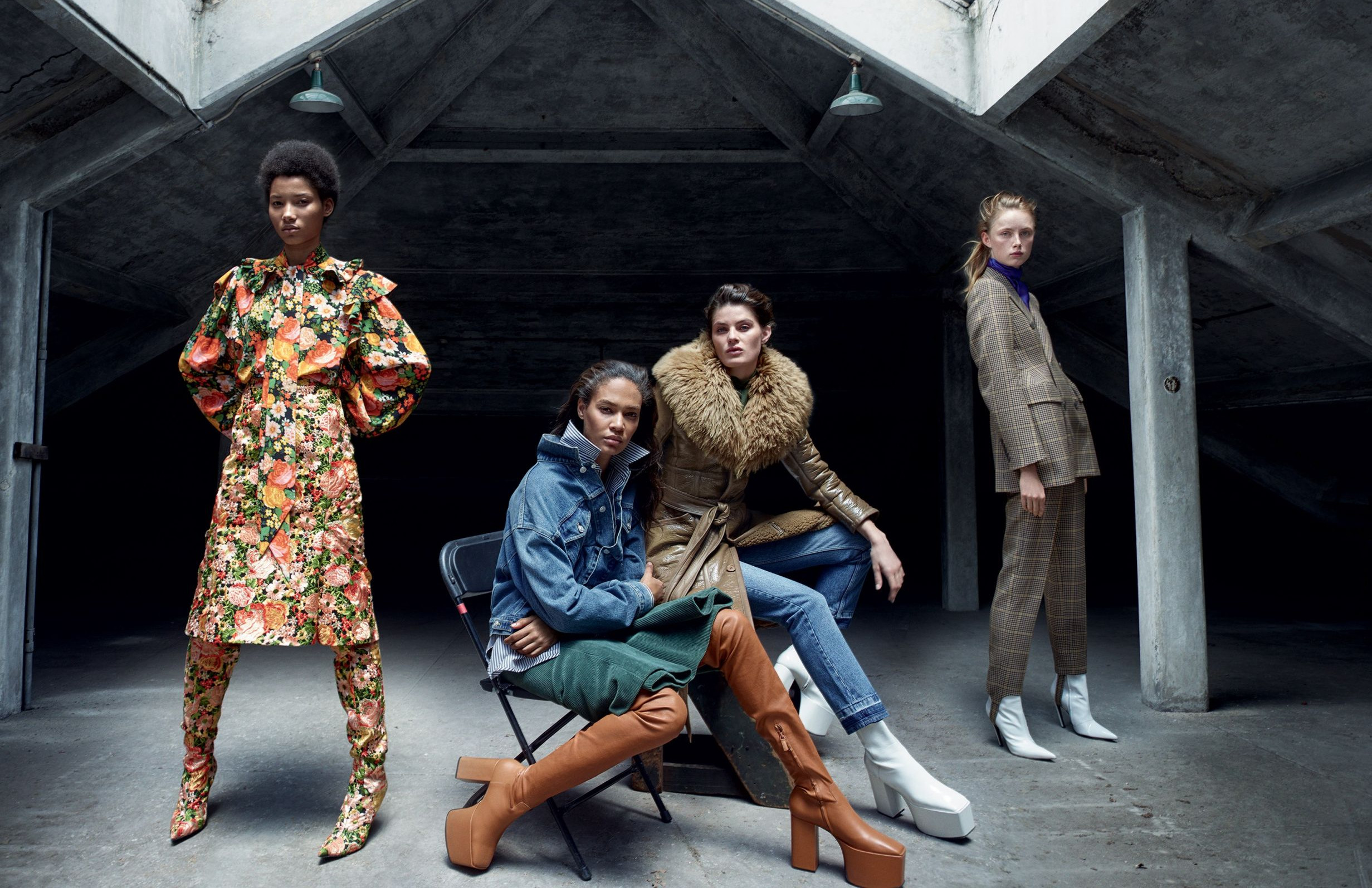
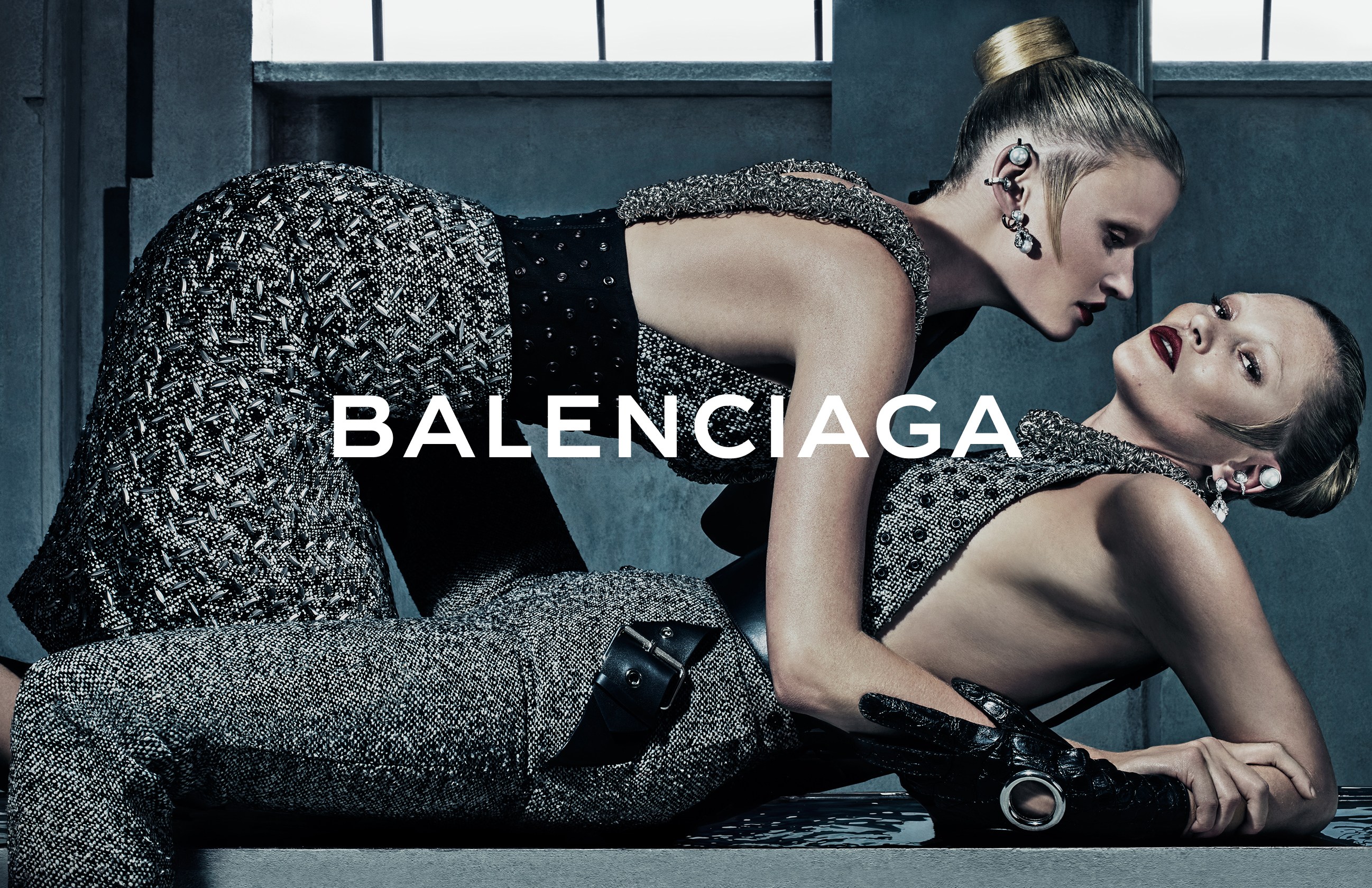
He was born in 1895 in Getaria to a seamstress mother and fisherman father. He inherited his mother’s passion for tailoring and opened his first haute couture boutique in San Sebastian at only 20 years old. His great success in those years led him to open two more boutiques in Madrid and Barcelona.
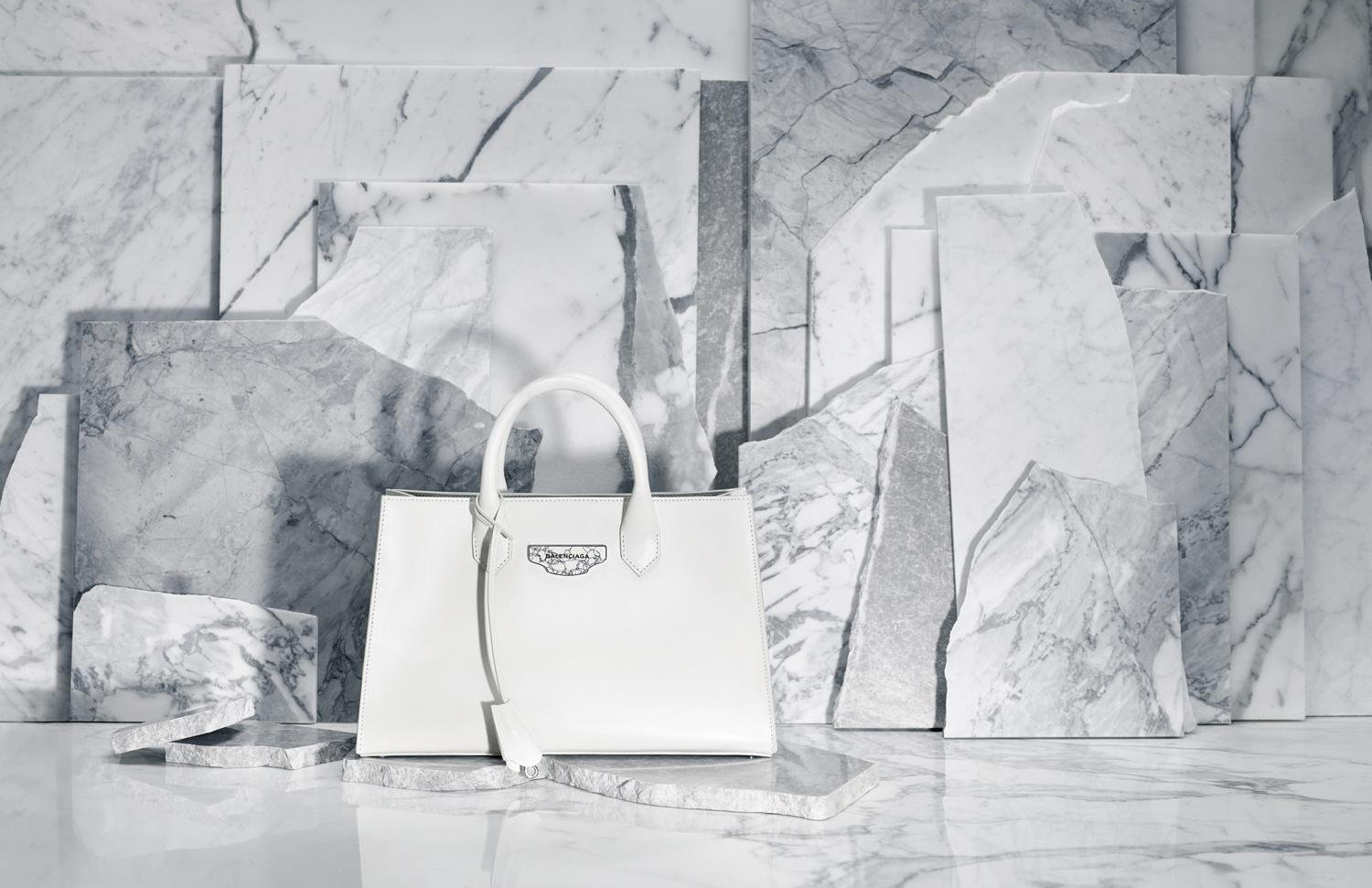
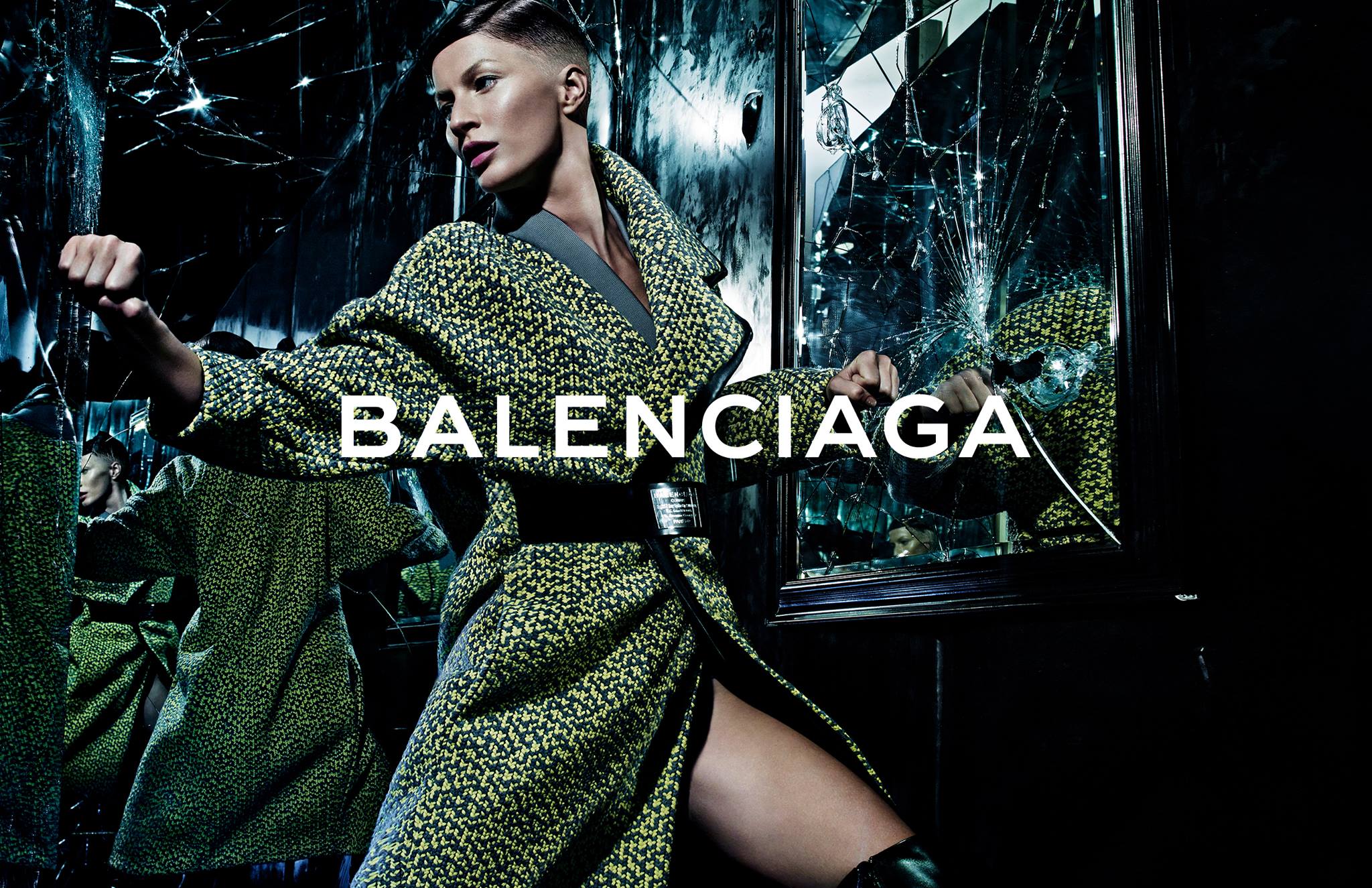
When the Civil War in Spain broke out in 1937, Balenciaga decided to move to Paris where he opened his first boutique on Avenue George V, on the third floor of the Palazzo Borghese. Official Couturier for the Spanish royal family, and valued by Europe’s most beautiful and powerful women of that time, Balenciaga created dresses for a small group of elite women whose status made tribute to his art.
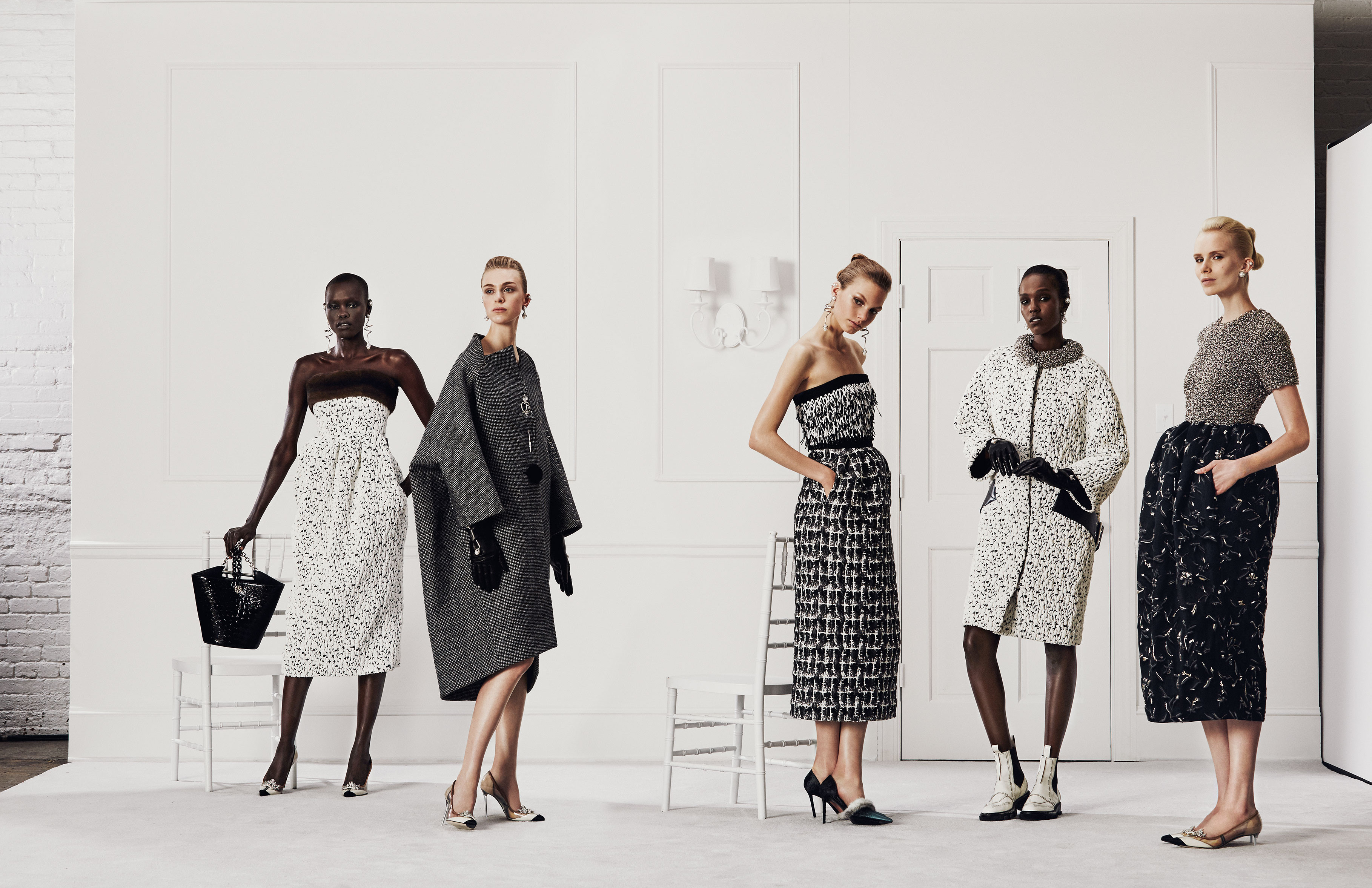
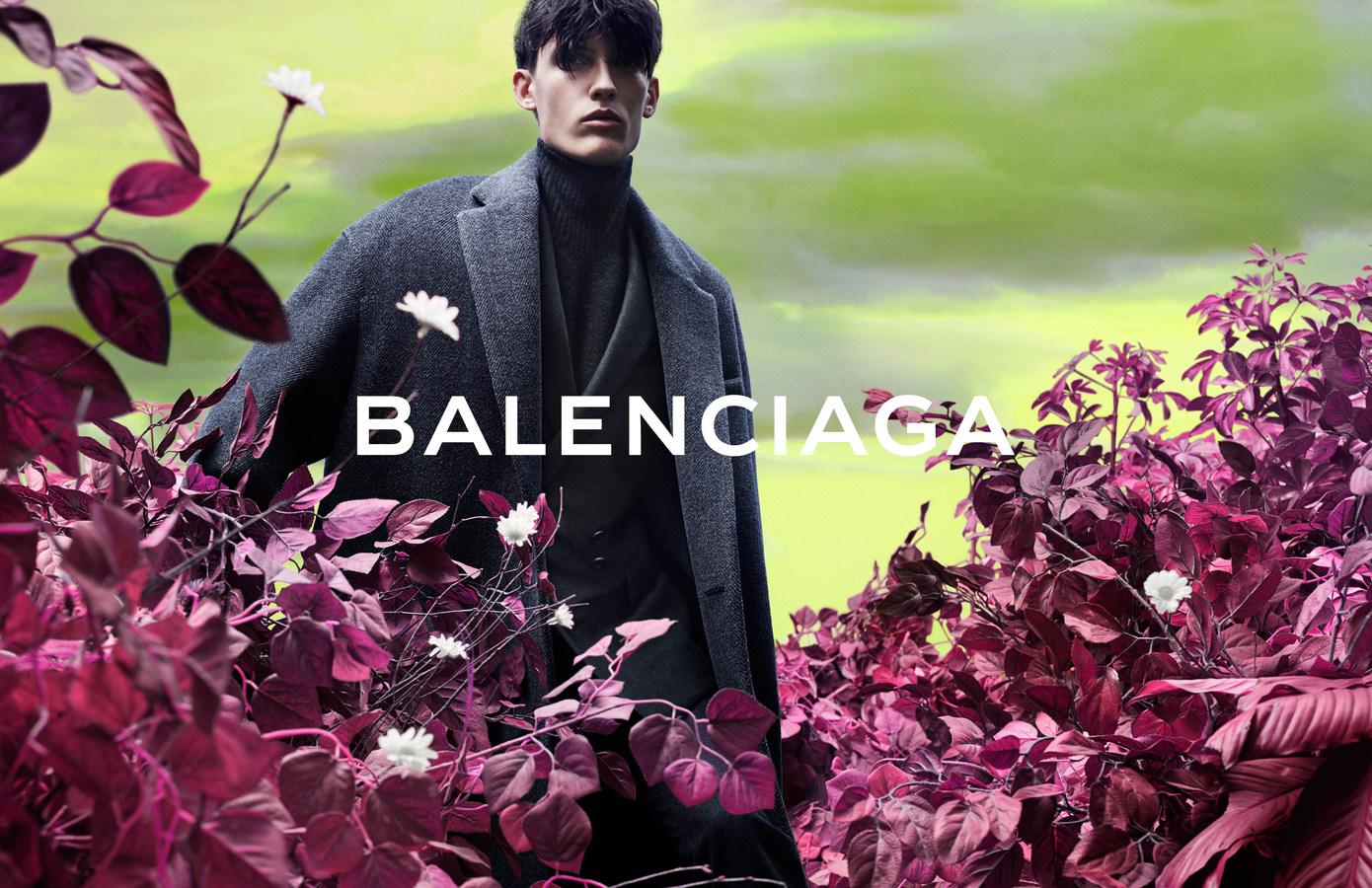
His creations were not flashy or spectacular. On the contrary, they were an expression of inner elegance, and were refined and unpretentious. In the fifties, Balenciaga clashed with the philosophy of the famous fashion designer Christian Dior. Unlike Dior, the Spanish Couturier needed physical contact with the dress and wanted to give a woman’s body freedom. He therefore, eliminated boning, padding, stiff bodices, and thus, deviated from the tailoring techniques of the nineteenth century.
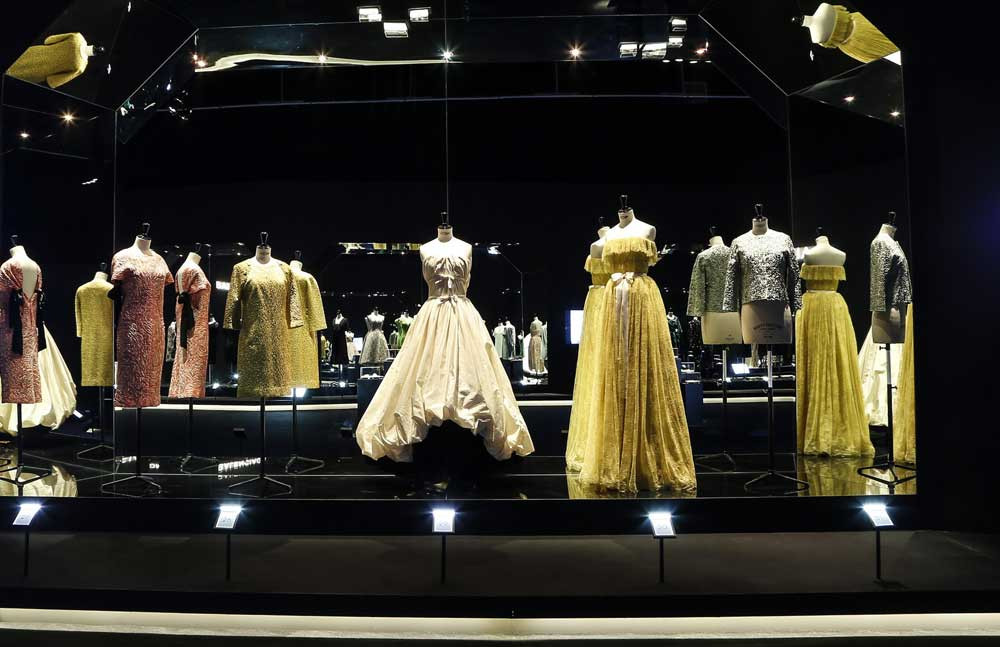
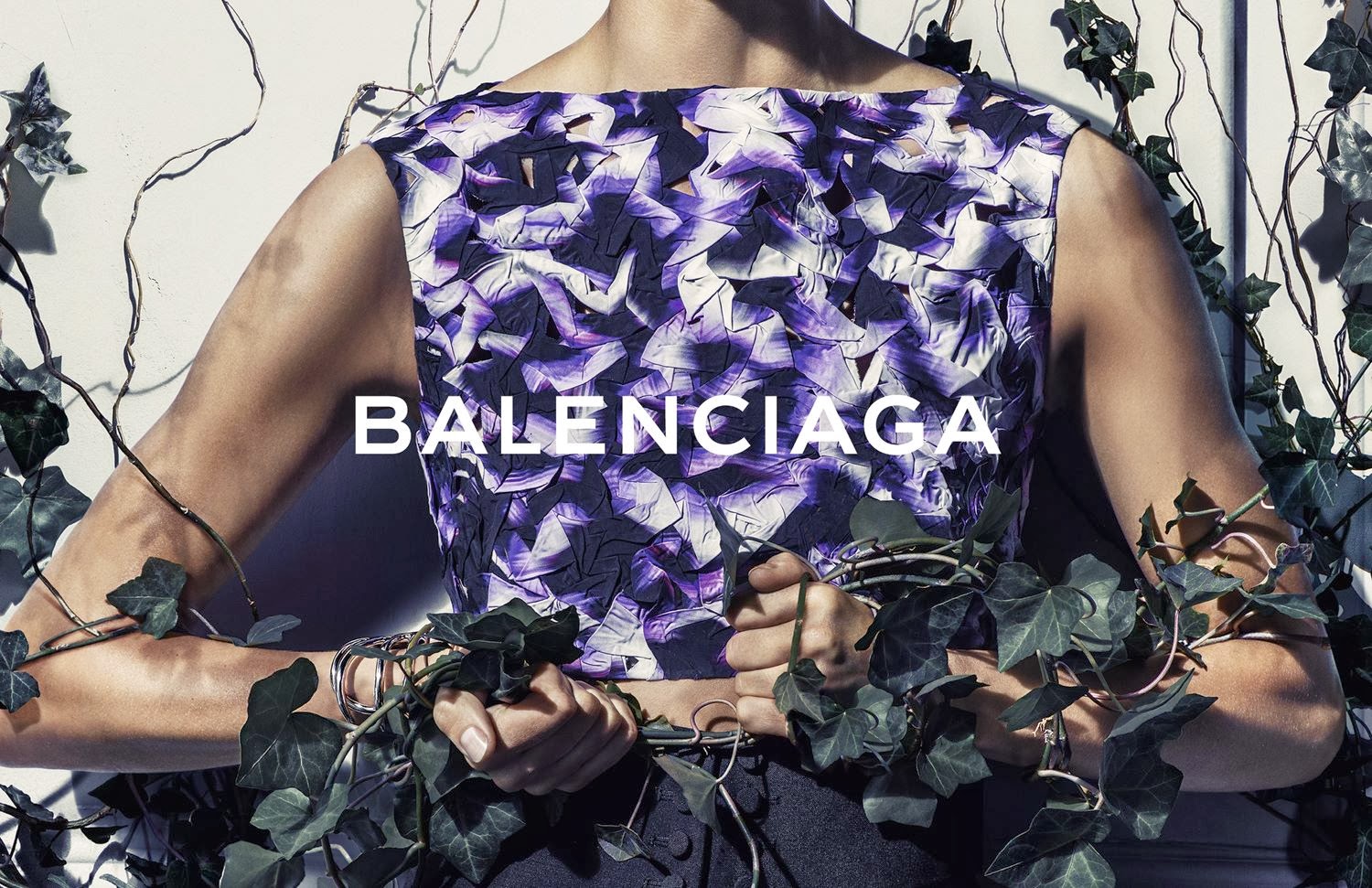
He also knew fabrics and their potential very well and even drew inspiration from them. So much so, that he invented a perfect fabric for creating volume which was suitable for evening wear: Gazar. The pieces he created were so well cut that they didn’t need a body to take shape. Coco Chanel said of him: "Only Balenciaga is a true couturier. Only he is able to cut the fabric, sew it and assemble it with his own hands. The others are just designers."
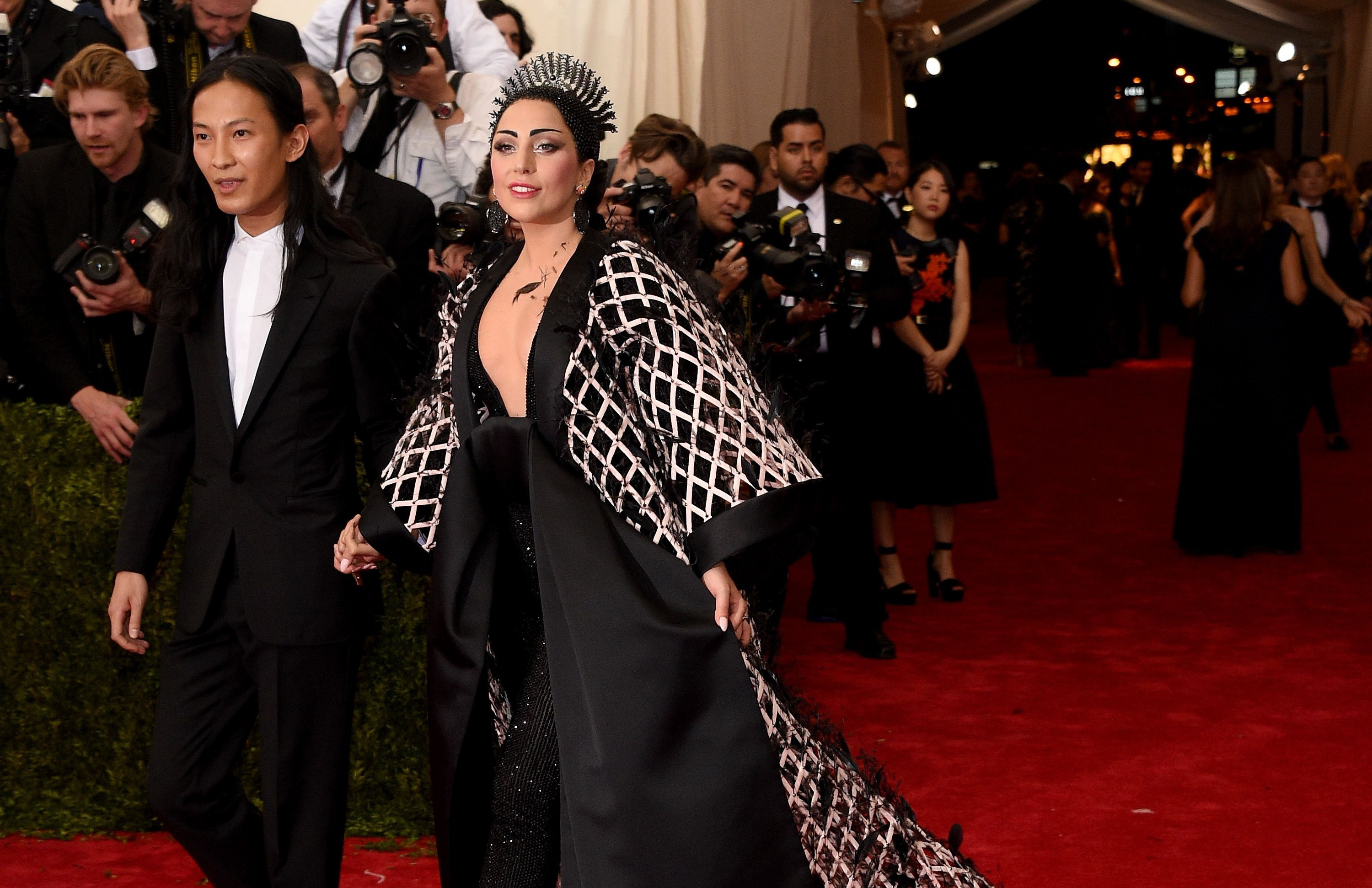
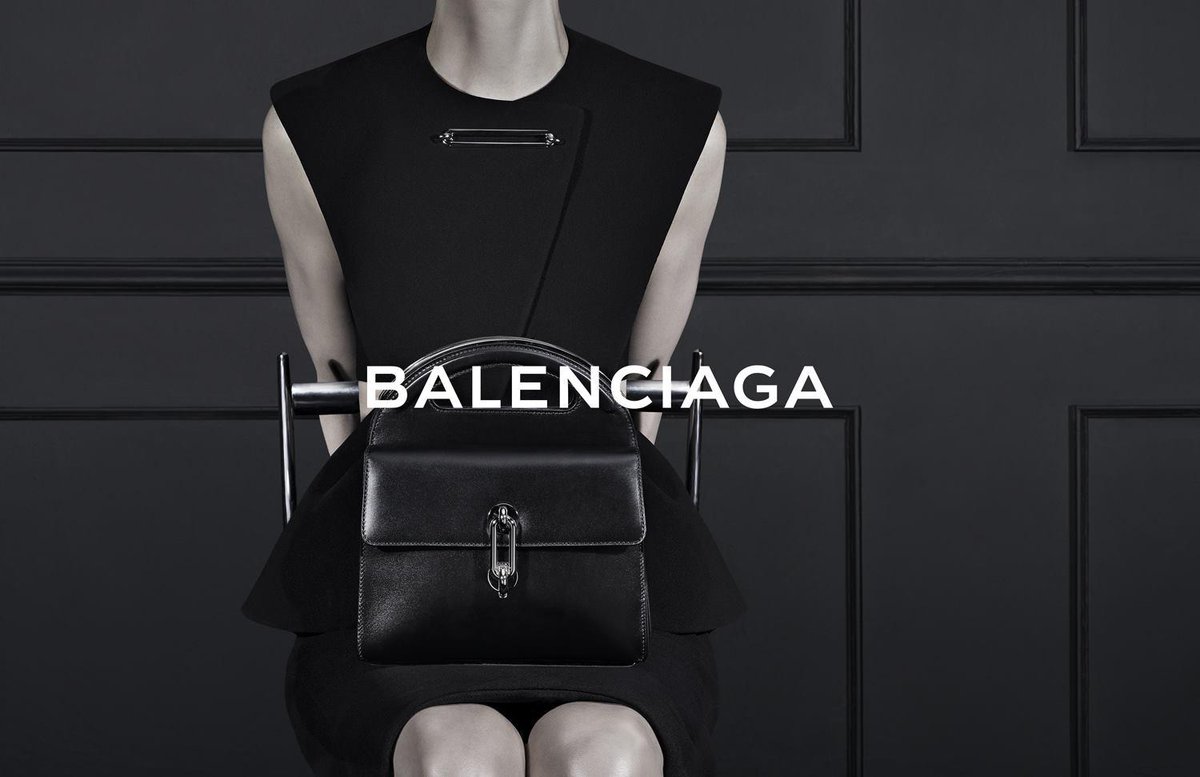
In 1951, a period in which the femininity of a woman was determined by the smallness of her size, he introduced the semi-fitted suit. In 1955, he created the tunic dress and finally the sack dress in 1957, which gave the woman’s body total freedom. He was patient, honest, accurate, and obsessed with achieving perfection.

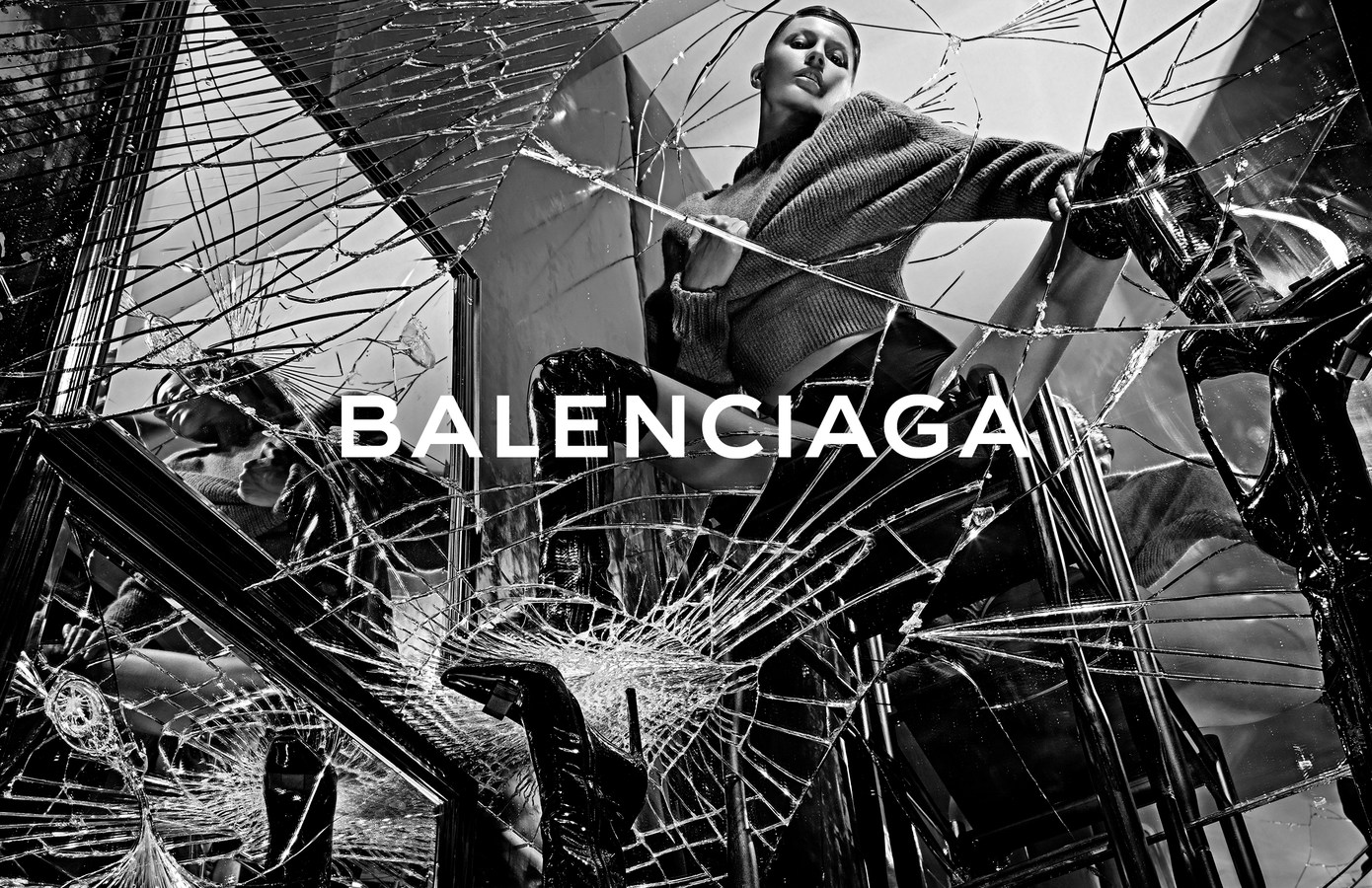
He personally followed every step in the creation of every outfit. In the sixties, with social unrest and the beginning of the Women’s Movement, women’s needs changed. Ready-to-Wear lines hit the stores: pieces that were packaged and sold in predefined sizes to customers, often in department stores.
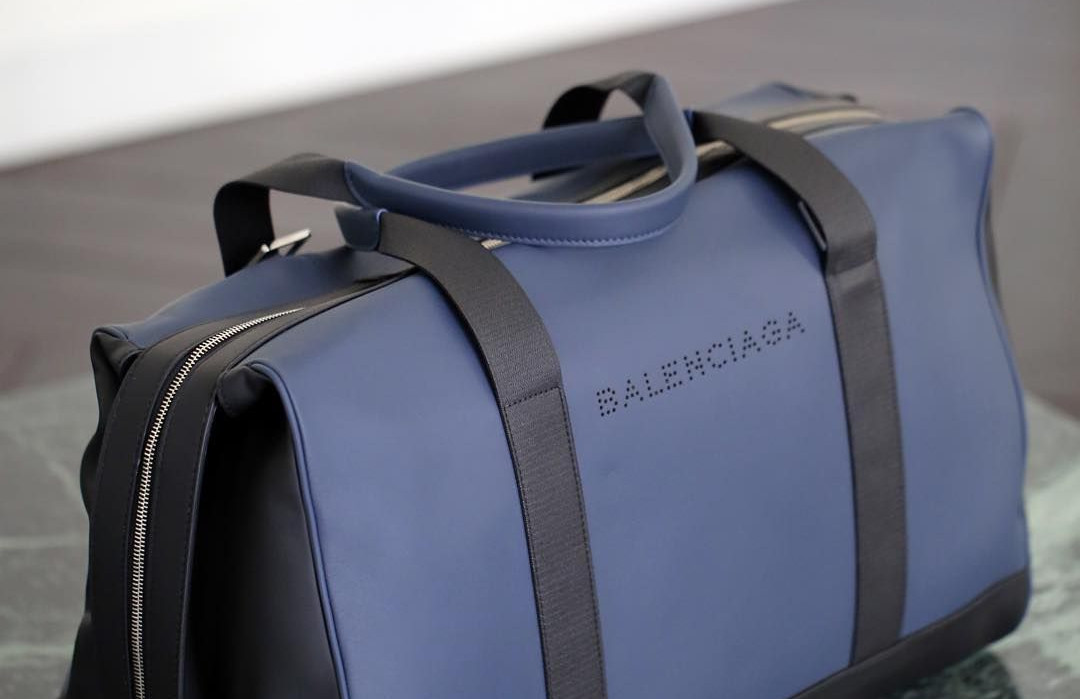
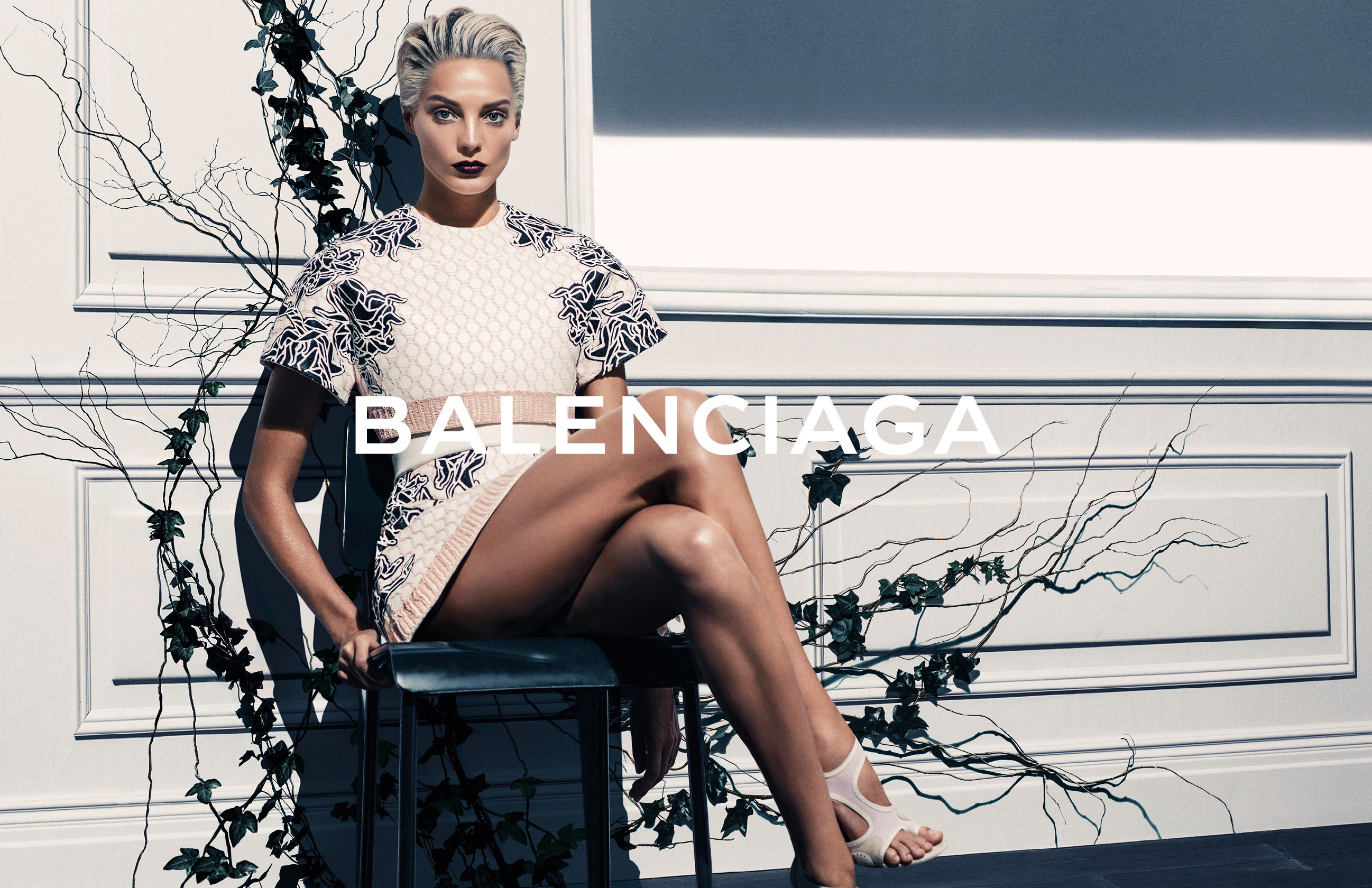
This process was not in line with Balenciaga’s ideas. He didn’t think it was honest to lose contact with the customer because you couldn’t give special attention to the details that would render the dress perfect for a particular body.
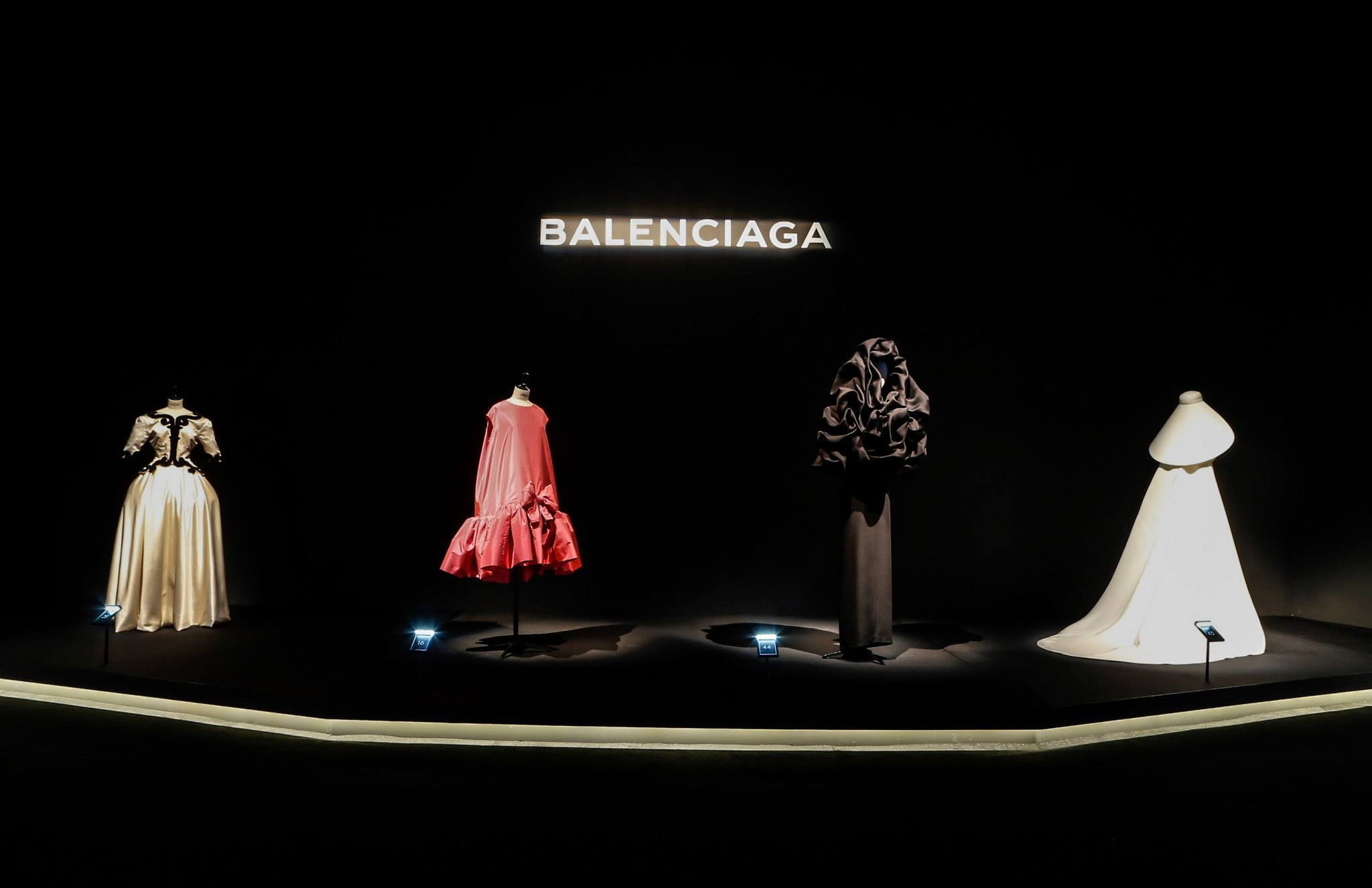
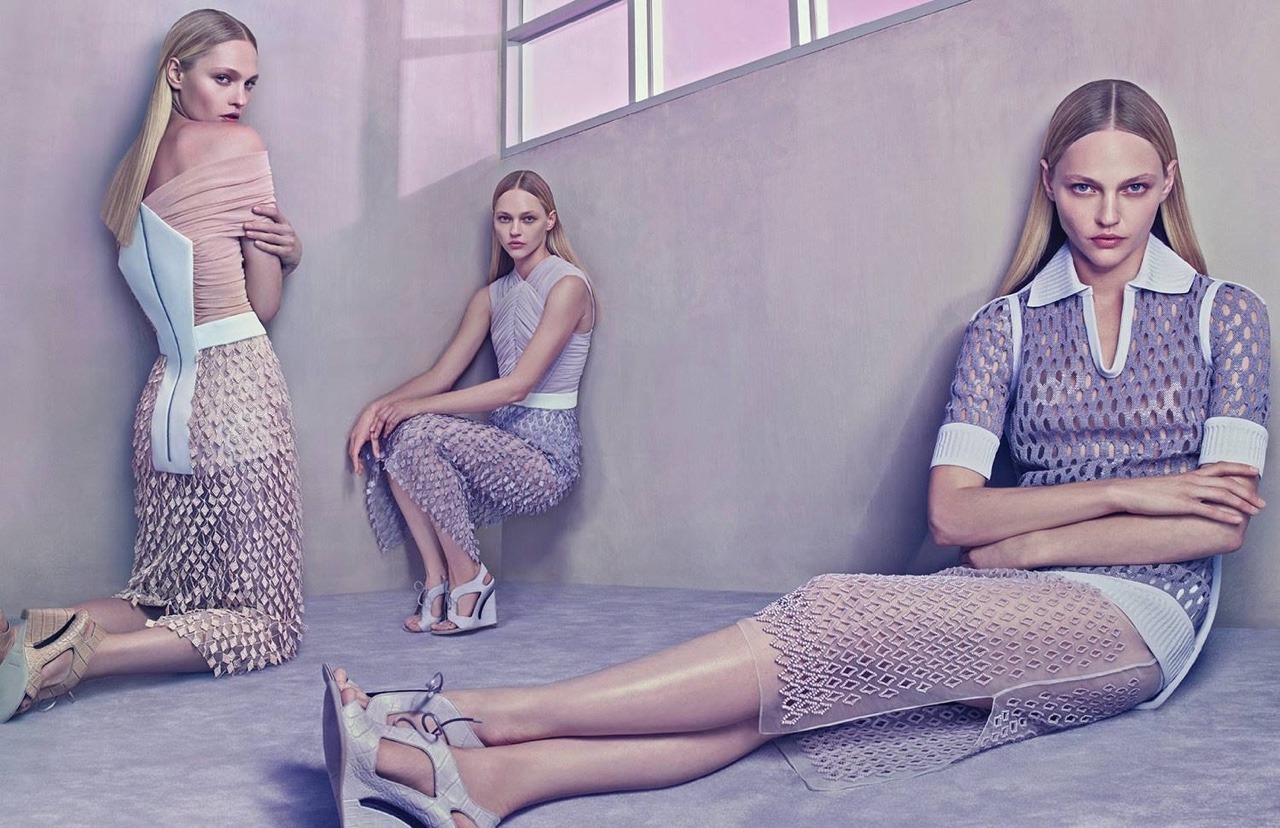
At the height of his fame in 1968, foreseeing an inevitable decline as a result of the changes that were taking place, he preferred to withdraw from the scene.
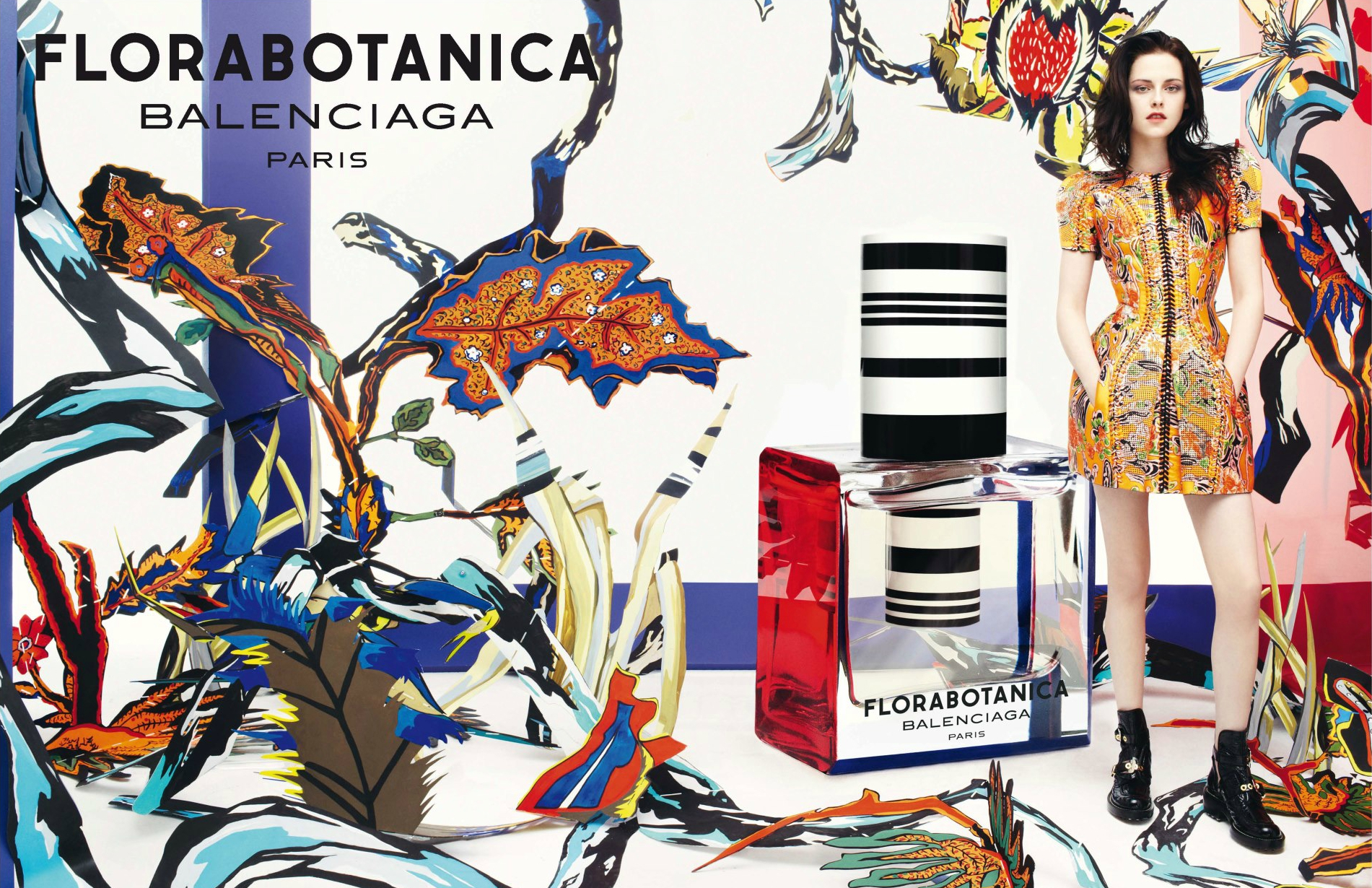
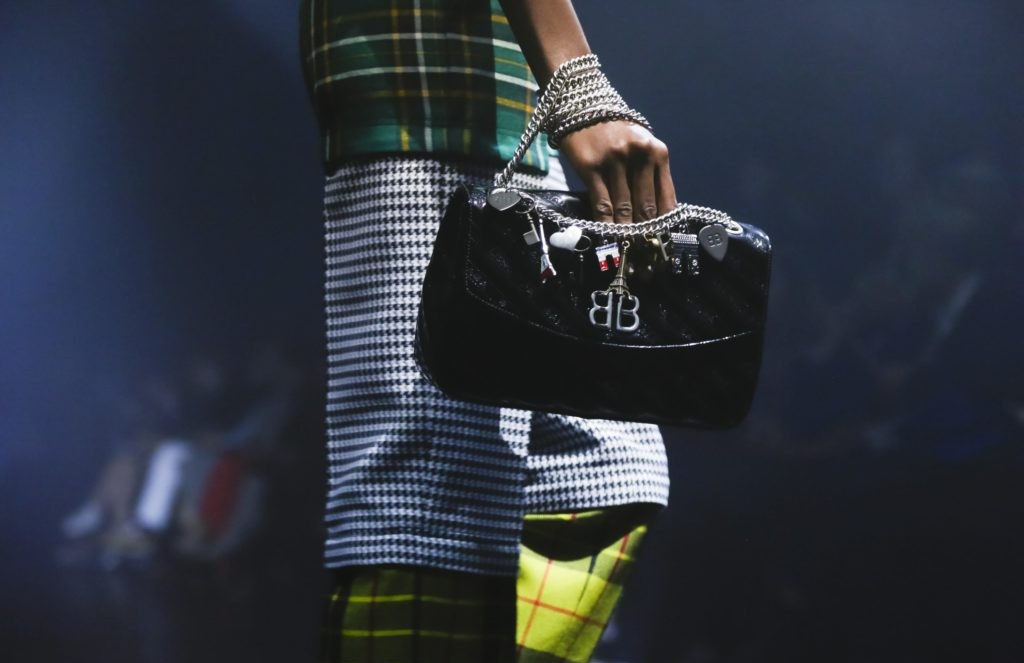
The desires of customers had changed and stylists had the upper hand. However, Cristóbal Balenciaga, will always remain an undeniable symbol of style and elegance. Christian Dior said, "The couturier of couturiers, the master of us all." On June 10, 2011 a museum dedicated to him was inaugurated by Queen Sofia in Getaria, Spain.
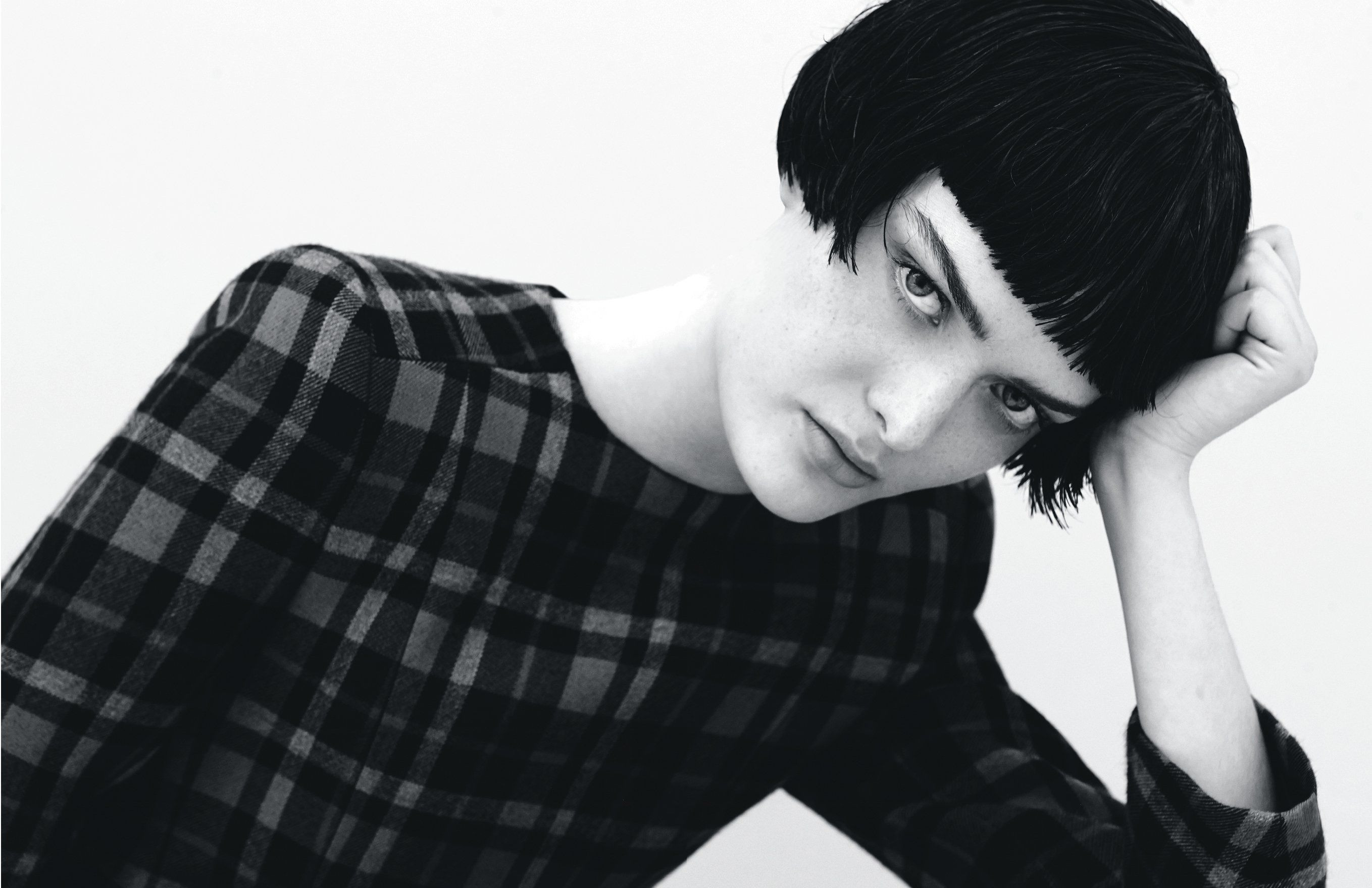
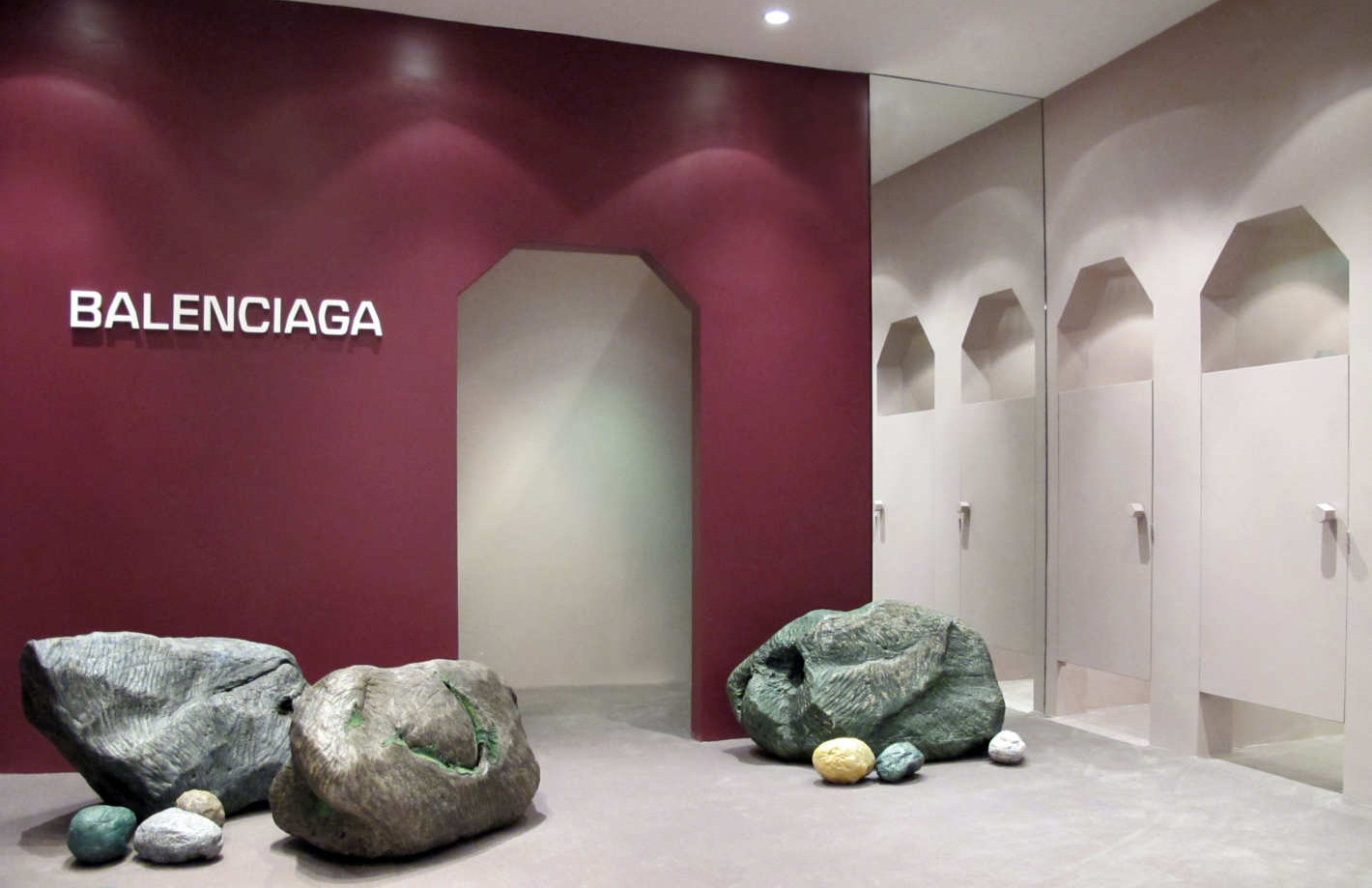
Products Balenciaga
Balenciaga
The Couturier of Couturiers, The Master of Us All
History
Master of tailoring and precision, Cristobal Balenciaga was able to create soft and elegant lines on the human body.
Spanish by birth, he managed to bring elements from his country like lace, the bolero and the contrasting colors, red and black, to Paris in the 1950s. Balenciaga dedicated his life to designing dresses and managed to go beyond the boundaries of fashion. For this reason, he is considered a true artist.
Intuition and innovation, combined with a maniacal precision, are the basis for all of his creationslike collarless shirts, flat necklines, and balloon, tunic, sack and sleeveless dresses.
He was born in 1895 in Getaria to a seamstress mother and fisherman father. He inherited his mother’s passion for tailoring and opened his first haute couture boutique in San Sebastian at only 20 years old. His great success in those years led him to open two more boutiques in Madrid and Barcelona.
When the Civil War in Spain broke out in 1937, Balenciaga decided to move to Paris where he opened his first boutique on Avenue George V, on the third floor of the Palazzo Borghese. Official Couturier for the Spanish royal family, and valued by Europe’s most beautiful and powerful women of that time, Balenciaga created dresses for a small group of elite women whose status made tribute to his art.
His creations were not flashy or spectacular. On the contrary, they were an expression of inner elegance, and were refined and unpretentious. In the fifties, Balenciaga clashed with the philosophy of the famous fashion designer Christian Dior. Unlike Dior, the Spanish Couturier needed physical contact with the dress and wanted to give a woman’s body freedom. He therefore, eliminated boning, padding, stiff bodices, and thus, deviated from the tailoring techniques of the nineteenth century.
He also knew fabrics and their potential very well and even drew inspiration from them. So much so, that he invented a perfect fabric for creating volume which was suitable for evening wear: Gazar. The pieces he created were so well cut that they didn’t need a body to take shape. Coco Chanel said of him: "Only Balenciaga is a true couturier. Only he is able to cut the fabric, sew it and assemble it with his own hands. The others are just designers."
In 1951, a period in which the femininity of a woman was determined by the smallness of her size, he introduced the semi-fitted suit. In 1955, he created the tunic dress and finally the sack dress in 1957, which gave the woman’s body total freedom. He was patient, honest, accurate, and obsessed with achieving perfection.
He personally followed every step in the creation of every outfit. In the sixties, with social unrest and the beginning of the Women’s Movement, women’s needs changed. Ready-to-Wear lines hit the stores: pieces that were packaged and sold in predefined sizes to customers, often in department stores.
This process was not in line with Balenciaga’s ideas. He didn’t think it was honest to lose contact with the customer because you couldn’t give special attention to the details that would render the dress perfect for a particular body.
At the height of his fame in 1968, foreseeing an inevitable decline as a result of the changes that were taking place, he preferred to withdraw from the scene.
The desires of customers had changed and stylists had the upper hand. However, Cristóbal Balenciaga, will always remain an undeniable symbol of style and elegance. Christian Dior said, "The couturier of couturiers, the master of us all." On June 10, 2011 a museum dedicated to him was inaugurated by Queen Sofia in Getaria, Spain.
Products Balenciaga
-
 675,75 € 795,00 € -15% In Stock
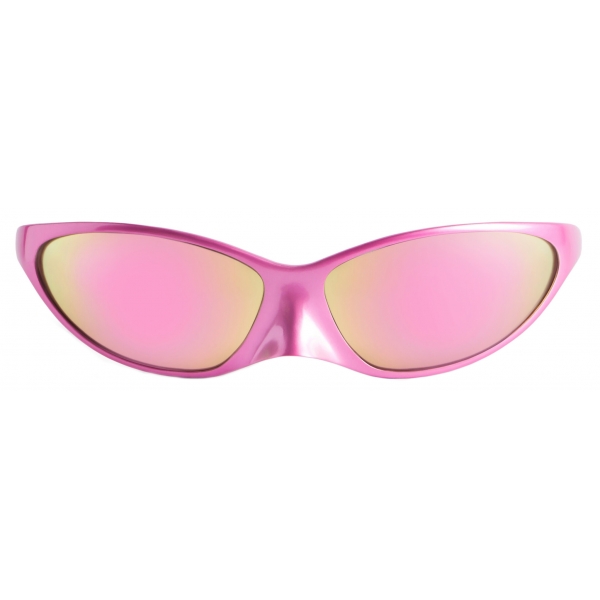
Balenciaga - 4G Cat Sunglasses - Purple - Sunglasses - Balenciaga Eyewear
4G Cat Sunglasses in metallized purple aluminum, with matte mirror purple lenses are from look 53 of Balenciaga Summer 24 Collection.
675,75 € 795,00 € -15%Reduced price ! -
 395,25 € 465,00 € -15% In Stock
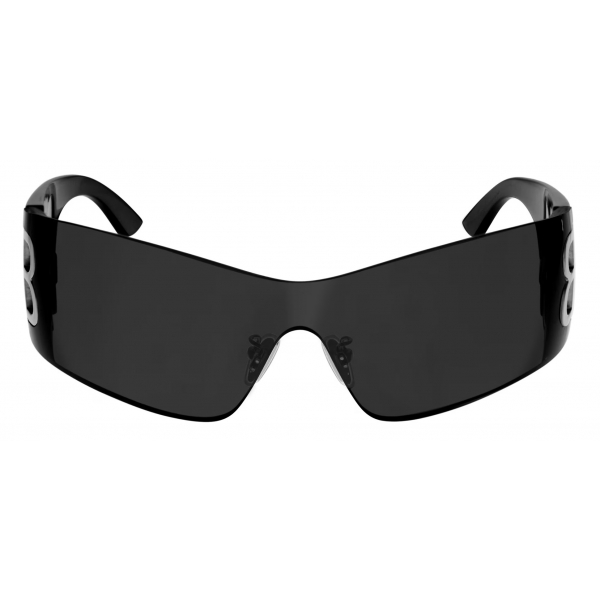
Balenciaga - Women's Bossy Mask Sunglasses - Black - Sunglasses - Balenciaga...
Bossy Mask Sunglasses in black injected nylon
395,25 € 465,00 € -15%Reduced price ! -
 420,75 € 495,00 € -15% In Stock
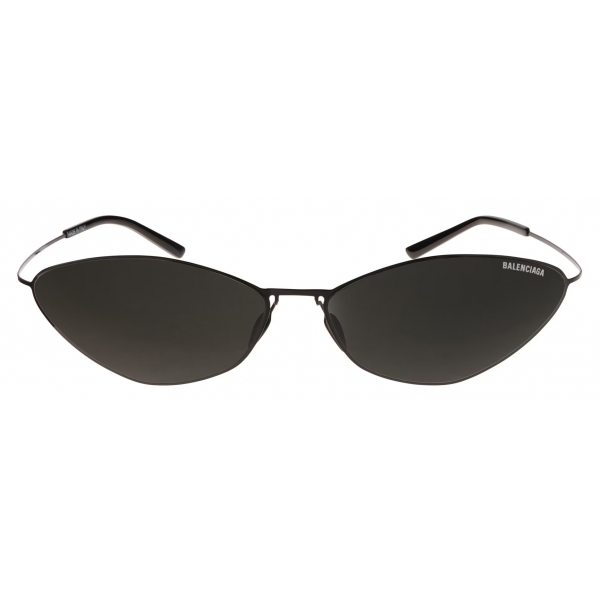
Balenciaga - Malibu Round Sunglasses - Black - Sunglasses - Balenciaga Eyewear
Malibu Round Sunglasses in black titanium with grey lenses are from several looks of Balenciaga Fall 24 Collection.
420,75 € 495,00 € -15%Reduced price ! -
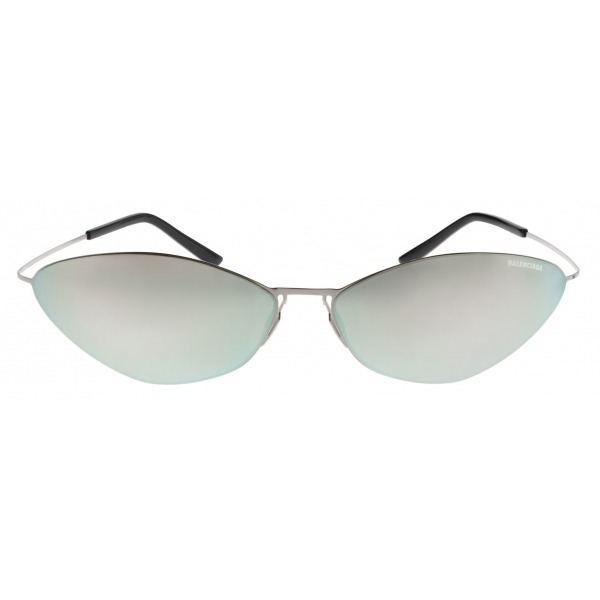 590,75 € 695,00 € -15% In Stock
Balenciaga - Malibu Round Sunglasses - Silver - Sunglasses - Balenciaga Eyewear
Malibu Round Sunglasses in shiny silver titanium with matte mirror silver lenses are from look 51 of Balenciaga Fall 24 Collection.
590,75 € 695,00 € -15%Reduced price ! -
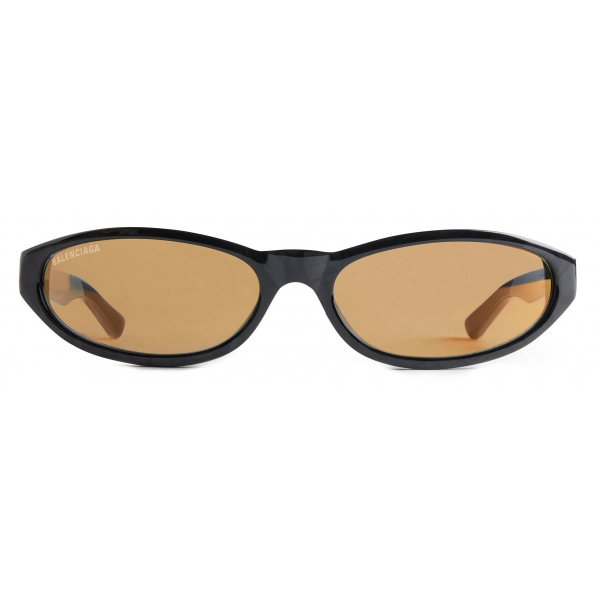 233,75 € 275,00 € -15% In Stock
Balenciaga - Neo Round Sunglasses - Black - Sunglasses - Balenciaga Eyewear
Neo Round Sunglasses in black pearled recycled acetate
233,75 € 275,00 € -15%Reduced price ! -
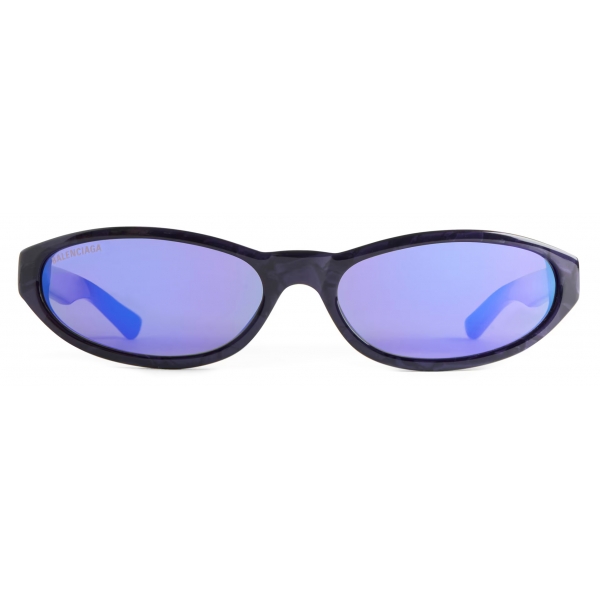 233,75 € 275,00 € -15% In Stock
Balenciaga - Neo Round Sunglasses - Purple - Sunglasses - Balenciaga Eyewear
Neo Round Sunglasses in purple pearled recycled acetate
233,75 € 275,00 € -15%Reduced price ! -
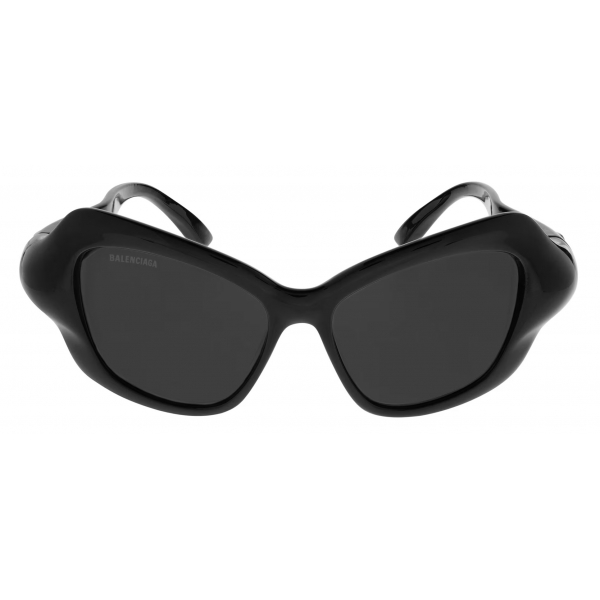 327,25 € 385,00 € -15% In Stock
Balenciaga - Women's Palazzo Cat Sunglasses - Black - Sunglasses - Balenciaga...
Palazzo Cat Sunglasses in black bio-based injected nylon with grey lenses are from several looks of Balenciaga Fall 24 Collection.
327,25 € 385,00 € -15%Reduced price ! -
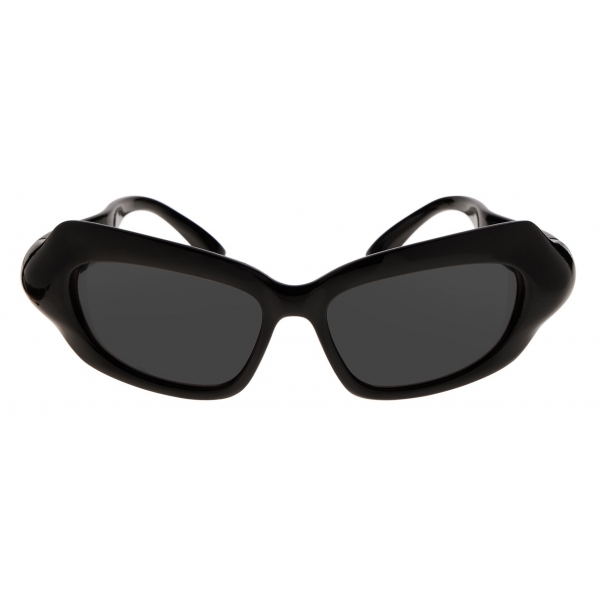 327,25 € 385,00 € -15% In Stock
Balenciaga - Women's Palazzo Rectangle Sunglasses - Black - Sunglasses -...
Palazzo Rectangle Sunglasses in black bio-based injected nylon, with grey lenses
327,25 € 385,00 € -15%Reduced price ! -
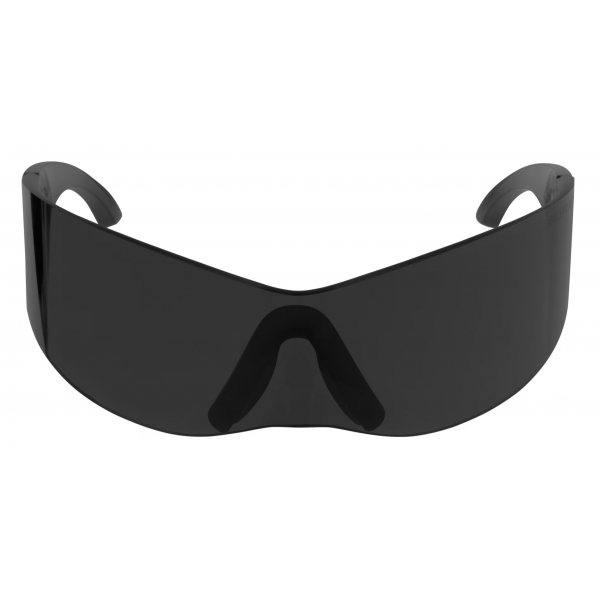 471,75 € 555,00 € -15% In Stock
Balenciaga - Panther Mask Sunglasses - Black - Sunglasses - Balenciaga Eyewear
Panther Mask Sunglasses in black injected nylon
471,75 € 555,00 € -15%Reduced price ! -
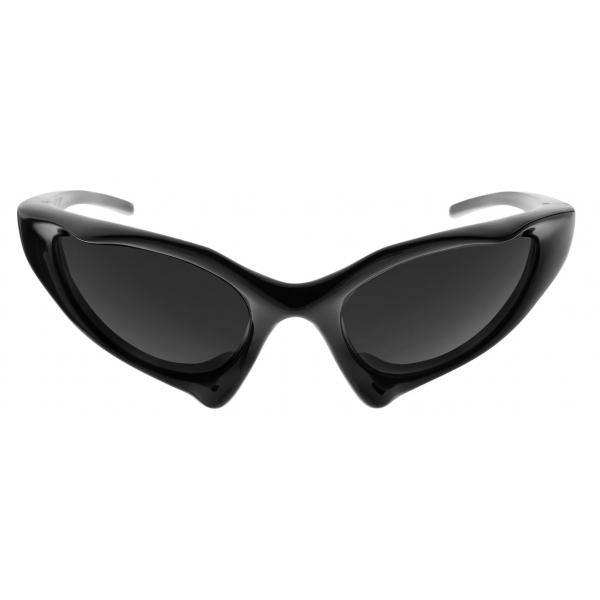 327,25 € 385,00 € -15% In Stock
Balenciaga - Runner Cat Sunglasses - Black - Sunglasses - Balenciaga Eyewear
Runner Cat Sunglasses in black bio-based injected nylon with grey lenses are from several looks of Balenciaga Fall 24 Collection.
327,25 € 385,00 € -15%Reduced price ! -
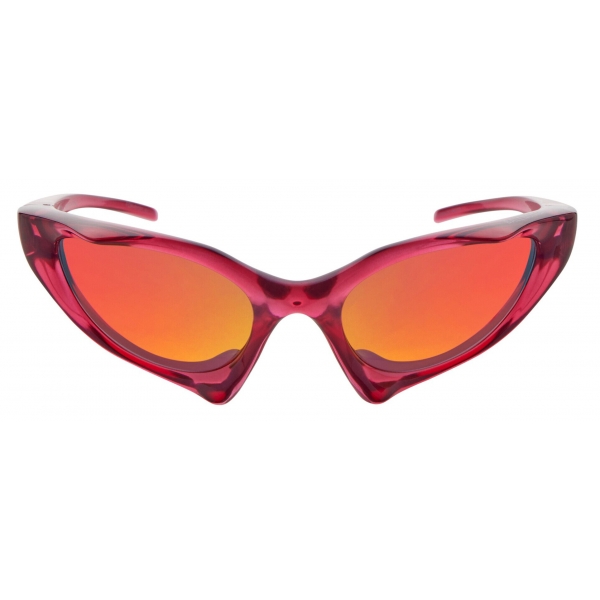 327,25 € 385,00 € -15% In Stock
Balenciaga - Runner Cat Sunglasses - Dark Pink - Sunglasses - Balenciaga Eyewear
Runner Cat Sunglasses in transparent dark pink bio-based injected nylon with mirror red lenses are from look 9 of Balenciaga Fall 24 Collection.
327,25 € 385,00 € -15%Reduced price ! -
 1 020,00 € 1 200,00 € -15% In Stock
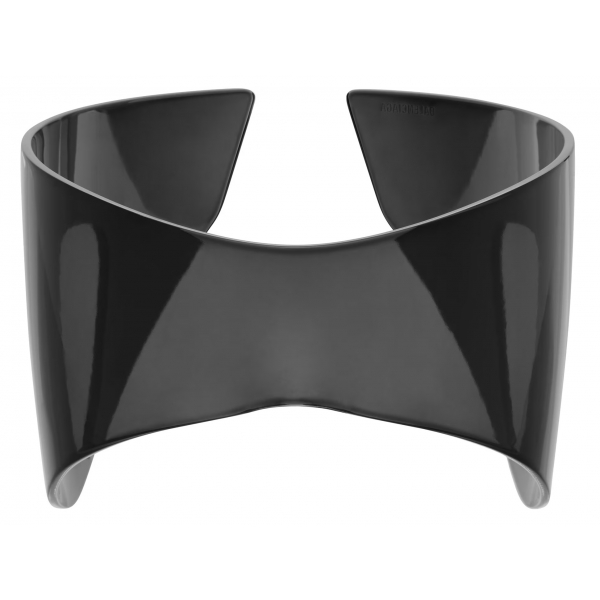
Balenciaga - 24/7 Mask Sunglasses - Black - Sunglasses - Balenciaga Eyewear
24/7 Mask Sunglasses in black bio-based injected nylon
1 020,00 € 1 200,00 € -15%Reduced price ! -
 467,50 € 550,00 € -15% In Stock
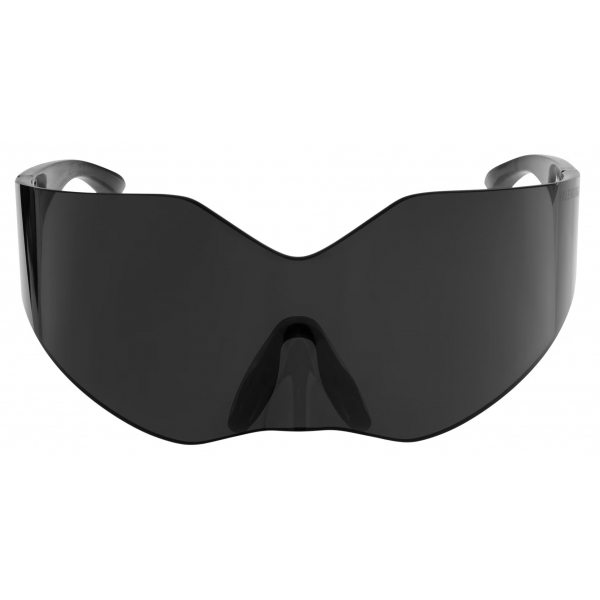
Balenciaga - Women's Balenciaga Music | Mina Series Sunglasses - Black -...
Balenciaga Music | Mina Series Sunglasses in black injected nylon
467,50 € 550,00 € -15%Reduced price ! -
 361,25 € 425,00 € -15% In Stock
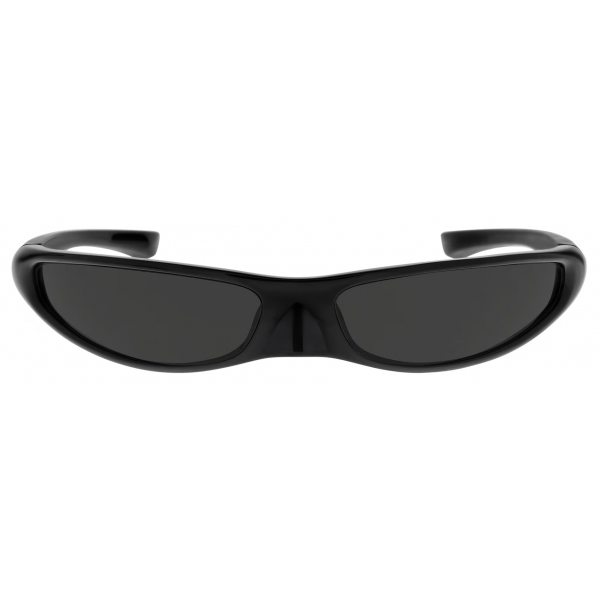
Balenciaga - Blade Rectangle Sunglasses - Black - Sunglasses - Balenciaga...
Blade Rectangle Sunglasses in black bio-based injected nylon with grey lenses are from several looks of Balenciaga Spring 25 Collection.
361,25 € 425,00 € -15%Reduced price ! -
 361,25 € 425,00 € -15% In Stock
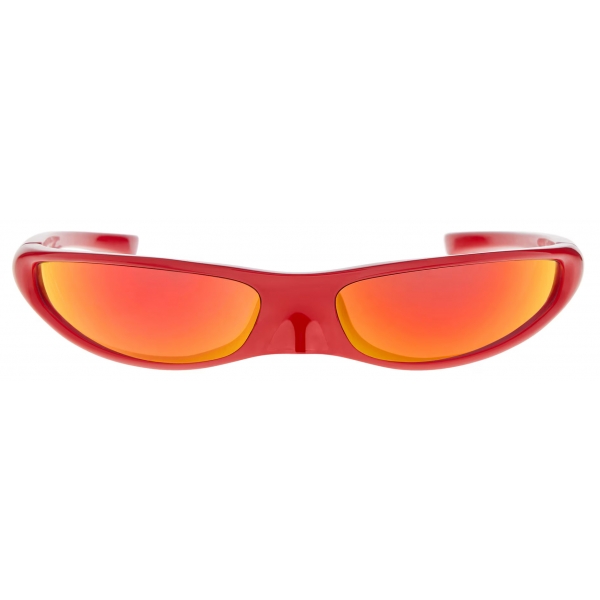
Balenciaga - Blade Rectangle Sunglasses - Red - Sunglasses - Balenciaga Eyewear
Blade Rectangle Sunglasses in red bio-based injected nylon, with mirror red lenses
361,25 € 425,00 € -15%Reduced price ! -
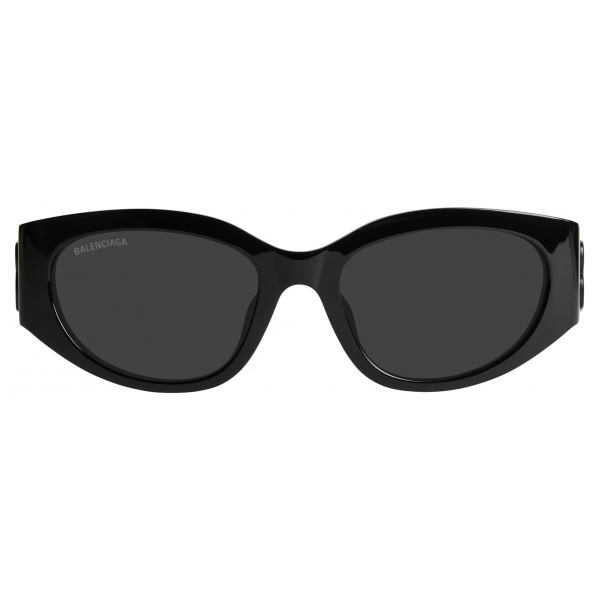 318,75 € 375,00 € -15% In Stock
Balenciaga - Women's Bossy Round AF Sunglasses - Black - Sunglasses -...
Bossy Round AF Sunglasses in black Eastman Acetate Renew, an acetate alternative partially made of bio-based and recycled content, with grey lenses
318,75 € 375,00 € -15%Reduced price ! -
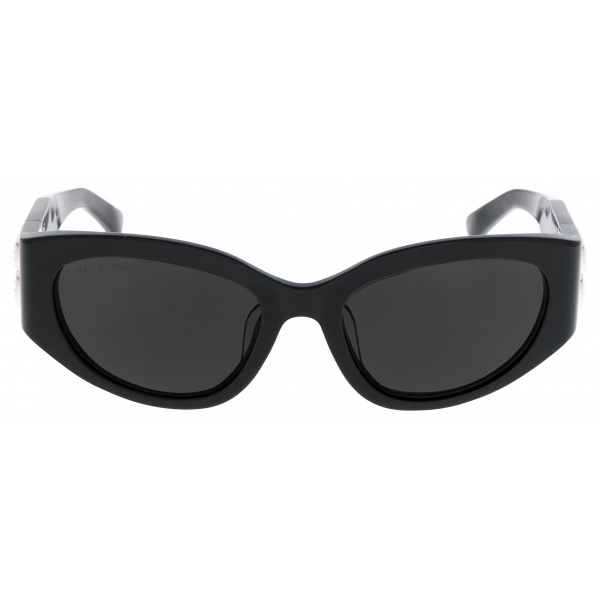 446,25 € 525,00 € -15% In Stock
Balenciaga - Women's Bossy Round AF Sunglasses - Black - Sunglasses -...
Bossy Round AF Sunglasses in black Eastman Acetate Renew, an acetate alternative partially made of bio-based and recycled content, with grey lenses
446,25 € 525,00 € -15%Reduced price ! -
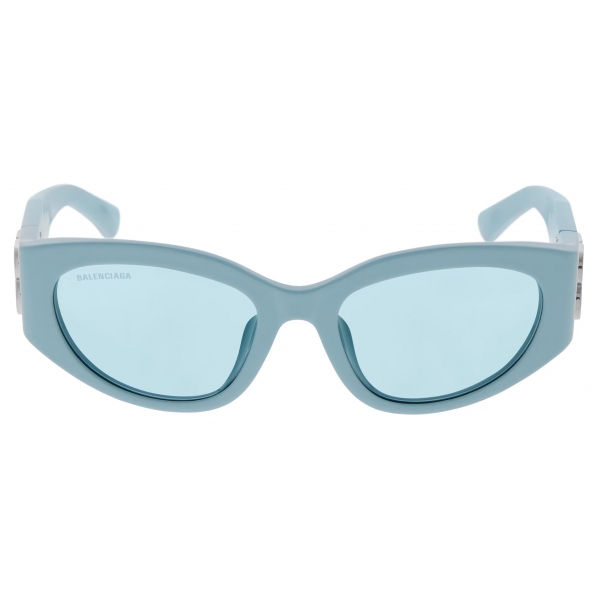 318,75 € 375,00 € -15% In Stock
Balenciaga - Women's Bossy Round AF Sunglasses - Light Blue - Sunglasses -...
Bossy Round AF Sunglasses in light blue Eastman Acetate Renew, an acetate alternative partially made of bio-based and recycled content, with light blue lenses
318,75 € 375,00 € -15%Reduced price ! -
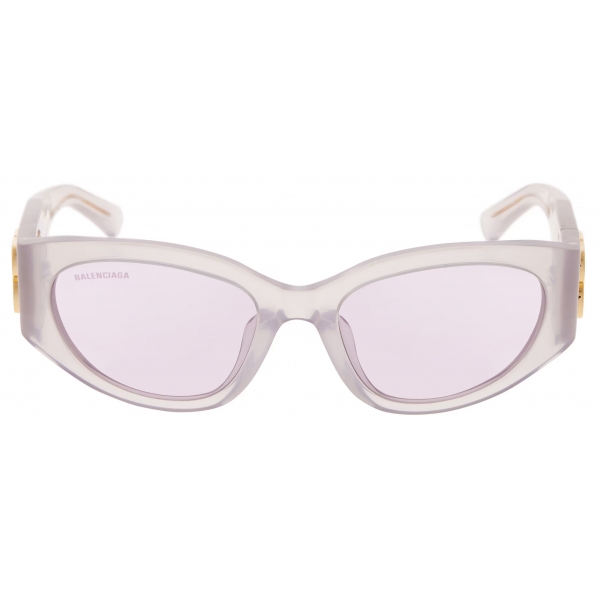 318,75 € 375,00 € -15% In Stock
Balenciaga - Women's Bossy Round AF Sunglasses - Light Pink - Sunglasses -...
Bossy Round AF Sunglasses in transparent light pink Eastman Acetate Renew, an acetate alternative partially made of bio-based and recycled content, with light pink lenses
318,75 € 375,00 € -15%Reduced price ! -
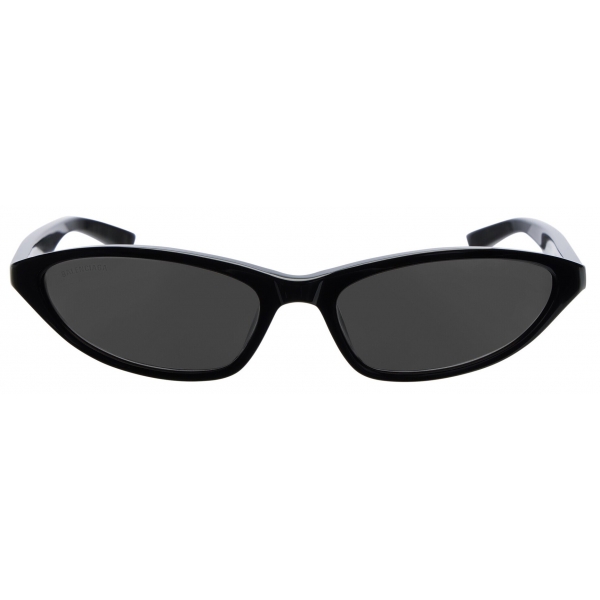 233,75 € 275,00 € -15% In Stock
Balenciaga - Women's Neo Oval 2.0 Sunglasses - Black - Sunglasses -...
Neo Oval 2.0 Sunglasses in black Eastman Acetate Renew, an acetate alternative partially made of bio-based and recycled content, with grey lenses
233,75 € 275,00 € -15%Reduced price ! -
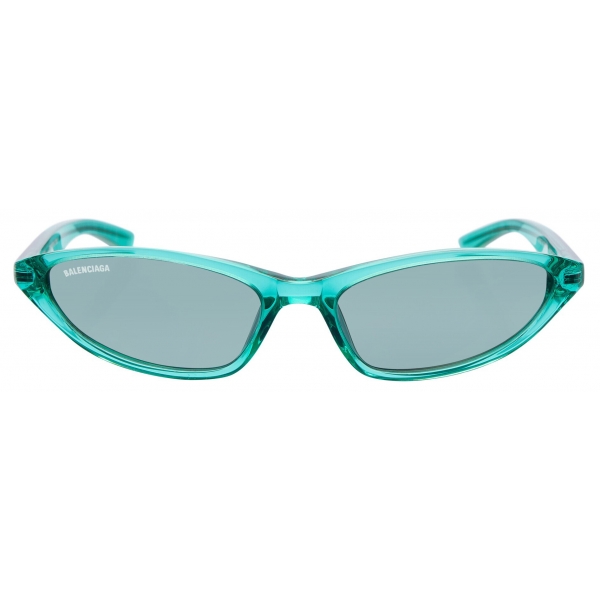 233,75 € 275,00 € -15% In Stock
Balenciaga - Women's Neo Oval 2.0 Sunglasses - Green - Sunglasses -...
Neo Oval 2.0 Sunglasses in transparent green Eastman Acetate Renew, an acetate alternative partially made of bio-based and recycled content, with light mirror green lenses
233,75 € 275,00 € -15%Reduced price !